
How to Choose the Best Hip Replacement Systems for Your Needs?

Choosing the right hip replacement systems is essential for a successful recovery. Many patients face this critical decision after experiencing hip pain or degradation. With numerous options available, understanding each system's features becomes vital.

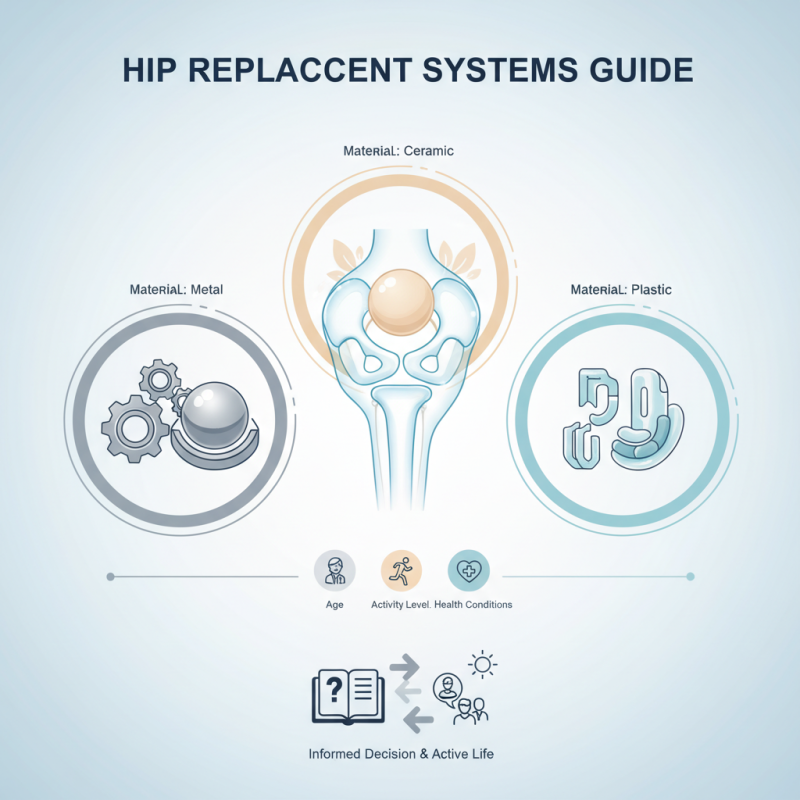
Hip replacement systems vary in design, material, and technique. Some systems use metal, while others opt for ceramic or plastic. Each has its benefits and potential downsides. Patients must navigate these choices carefully. Consulting with healthcare professionals is key to making an informed decision. Their expertise can guide you toward the most suitable option for your specific needs.

Additionally, personal factors play a role in selecting the right system. Age, activity level, and health conditions impact which product may work best. A comprehensive discussion with your orthopedic surgeon can clarify these choices. Remember, each hip replacement system has its limits and challenges. This process is not one-size-fits-all. Being well-informed helps you advocate for your health. It provides a clearer path toward an active and fulfilling life post-surgery.
How to Choose the Best Hip Replacement Systems for Your Needs?

Understanding Hip Replacement Systems: An Overview
How to Choose the Best Hip Replacement Systems for Your Needs?

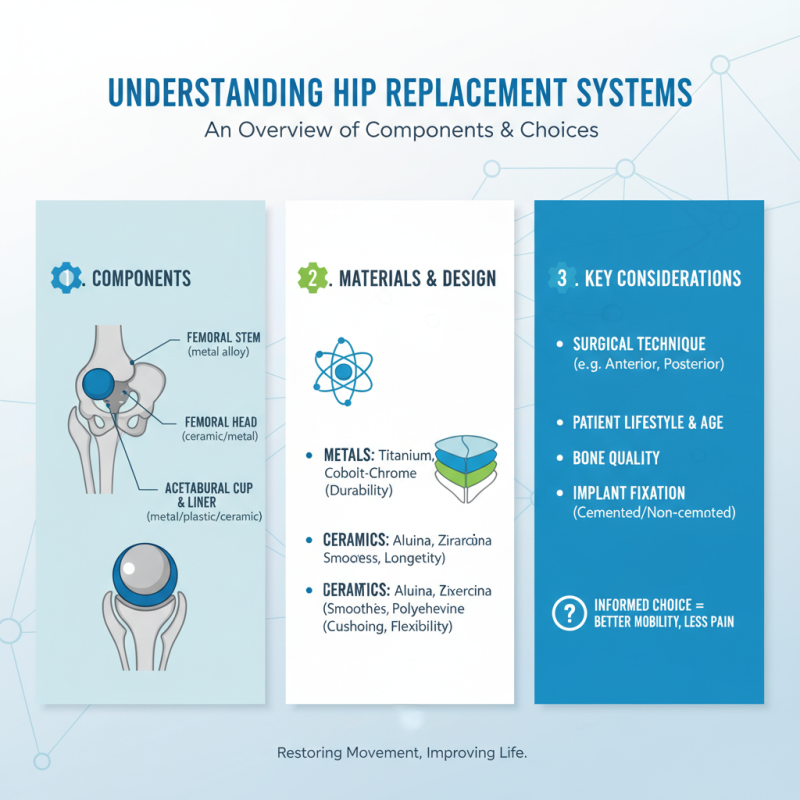
Hip replacement systems play a crucial role in restoring mobility and reducing pain. Understanding the various options is essential for making an informed choice. These systems typically consist of prosthetic components designed to mimic the natural hip joint. Knowledge of materials, designs, and surgical techniques assists patients in navigating their choices.

When choosing a hip replacement system, consider the type of materials used. Metal, ceramic, and plastic are common options. Each has unique benefits and drawbacks. Ceramic offers wear resistance, while metal may provide a longer lifespan. However, some patients experience allergic reactions. Consulting with a healthcare professional can clarify these concerns.

Tips for choosing the right system include researching trusted orthopedic specialists. Their experience is invaluable. Additionally, discussing expectations with your surgeon can help align choices with personal goals. Preparing questions beforehand ensures a thorough understanding of the options. Remember, surgery is a significant step. Reflecting on your lifestyle and activity level can guide you toward the best choice. Each individual's needs are different. What works for one may not work for another. Being informed leads to empowerment in your health decisions.


Assessing Your Personal Health Needs for Hip Replacement

Choosing the right hip replacement system can seem daunting. Start by evaluating your health needs. Consider your age, activity level, and overall health. Your orthopedic surgeon can guide you through options that suit you best.

Tips: Discuss your daily routines with your doctor. Mention specific activities you wish to resume after surgery. This information helps create a tailored plan.

Understand the types of materials used in hip implants. Some are metal, while others are ceramic or plastic. Each has its benefits and risks. Ask questions about the longevity of different options.

Tip: Research potential complications. Every procedure carries risks, including infection and dislocation. Knowing these can help in decision-making. Reflecting on your lifestyle is crucial. What are your priorities post-surgery? Aim for a balance between longevity and functionality in your choice.

How to Choose the Best Hip Replacement Systems for Your Needs?

Criteria Description Importance Level (1-5)
Material Types include metal, ceramic, and plastic. Each has its advantages and disadvantages regarding durability and wear. 5
Age Younger patients may require options that last longer, while older patients may opt for different considerations. 4
Activity Level Consider your lifestyle and how active you are to choose a suitable implant system. 5
Diagnosis Conditions like arthritis or fracture impact the type of hip replacement system required. 5
Surgeon Preference Different surgeons may have specific systems they prefer based on their experience and outcomes. 3
Cost Out-of-pocket costs and insurance coverage can influence your choice. 4
Recovery Time Different systems may have varying recovery times; consult your doctor for expectations. 3

Evaluating Different Types of Hip Replacement Implants

When evaluating different types of hip replacement implants, it's essential to consider the materials, design, and fixation methods. The most common types are metal-on-polyethylene, ceramic-on-ceramic, and metal-on-metal. Each type has distinct advantages and potential drawbacks. For instance, metal-on-polyethylene is widely used and has shown durability for over 15 years in some studies. However, it may wear down over time, raising concerns about debris and inflammation.

Ceramic implants are praised for their wear resistance and longevity, potentially lasting up to 30 years. Yet, they can be more brittle than other materials, which may result in fracture. Metal-on-metal implants can offer excellent range of motion and stability, but they have faced scrutiny due to metal ion release. Data from recent studies show that around 2-5% of patients with metal-on-metal implants report complications.

Tip: Always discuss your lifestyle and activity levels with your orthopedic surgeon. Different implants suit different needs.

Assessing implant fixation methods is also crucial. Cemented implants are more common in older patients, while cementless options can provide better long-term results in younger individuals. The choice of fixation impacts recovery and longevity.

Tip: Research your surgeon's experience with specific implants. Their expertise can significantly influence your outcome.

Key Factors to Consider When Choosing a Hip Replacement System

Choosing the right hip replacement system involves careful consideration of various factors. Start by evaluating the materials used in the implant. Common options include metals, ceramics, and polymers. Understanding their durability and compatibility with your body is crucial. Consult with orthopedic professionals to discuss which material best suits your lifestyle and activity level.

Another important aspect is the surgical technique. There are different methods for hip replacement, such as traditional and minimally invasive approaches. Each technique has its pros and cons. It’s essential to weigh the risks and benefits. Speaking with your surgeon about their experience with each method can give you confidence in your decision.

Tips for making an informed choice: Research the latest studies on hip replacement outcomes. Look for information on patient satisfaction and recovery times. Engaging with support groups can provide personal insights. Listen to others' experiences but remember, everyone's situation is unique. Don’t rush your decision; it’s a process that requires reflection and consultation.

Consulting with Healthcare Professionals for Informed Decisions

How to Choose the Best Hip Replacement Systems for Your Needs?

Consulting with healthcare professionals is crucial when considering hip replacement systems. Research indicates that more than one million hip replacements are performed in the U.S. annually. This high number underscores the importance of informed choices. Engaging with orthopedic specialists allows patients to understand their unique conditions and the implications of surgery.

Patients should consider their lifestyle and health history during consultations. Professionals assess factors such as age, activity level, and overall health. Each patient’s anatomy influences the choice of materials and implant design. Certain implants may be better suited for more active individuals, while others may provide additional stability for older patients. Experts stress the necessity of tailored solutions rather than one-size-fits-all approaches.

Additionally, researching success rates and complications associated with various systems is vital. Studies suggest that at least 10% of hip replacement patients experience some complications within ten years. Discussions with healthcare providers can highlight potential risks and benefits. Many also consult with physical therapists to understand post-operative recovery expectations. This holistic approach leads to more informed decisions and improved patient outcomes.

Zer0 Product Recalls

Why Shalby MedTech

We are committed to deliver solutions and transforming the way joint replacement procedures are performed.

Reliability
Integrity
Teamwork