
Hip replacement can significantly change a person's life. However, finding the right support for hip replacement patients remains a challenge. Every patient has unique needs and experiences. The journey towards recovery is complex, and various forms of assistance are essential.
Support for hip replacement patients includes medical advice, physical therapy, and emotional encouragement. Patients often feel overwhelmed by the process. Personalized support systems can greatly influence their recovery. It's crucial for caregivers to understand each patient's situation. They must ask the right questions and provide tailored guidance.
Moreover, it's essential to recognize that not all support methods work for every individual. Some patients may struggle with specific therapies or lose motivation. Reflecting on these experiences helps improve future support. A collaborative approach can lead to better outcomes. Engaging with healthcare professionals and local support groups is vital. By focusing on the specific needs of hip replacement patients, we can enhance their recovery journey.
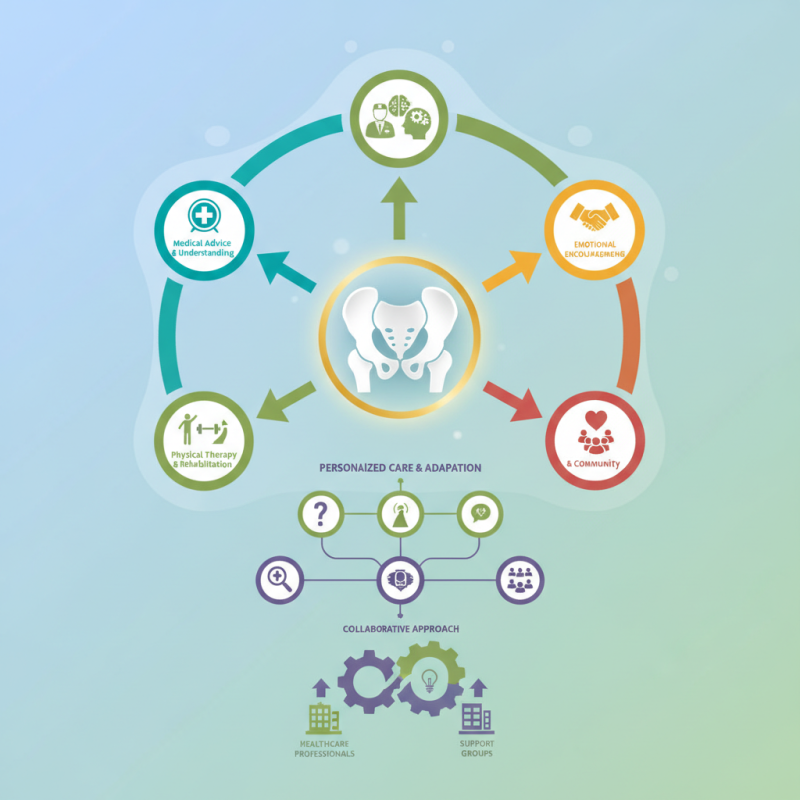
Understanding the needs of hip replacement patients is crucial. These individuals face unique challenges during recovery. Physical pain is just one aspect. Emotional support is equally important. A positive environment can greatly affect healing.
**Tips:** Create a recovery space. Ensure it's comfortable and accessible. Remove obstacles that could cause falls. Easy-to-reach items can make a difference. Encourage friends to visit, but balance is key. Too many visitors can overwhelm patients.
Additionally, patients often experience frustration. It's common to feel slow in regaining strength. This is normal. Encourage them to communicate these feelings. Open discussions can promote understanding and help identify support needs.
**Tips:** Set realistic goals. Small achievements matter. Celebrate each step, no matter how minor it seems. Patience is essential during this journey. Seek out groups or forums for shared experiences. Knowing others face similar situations can provide comfort.
Recovering from hip replacement surgery can be challenging. Support is crucial for a successful recovery. There are various types of support available for patients.
Family members can provide essential emotional and physical support. Their encouragement often motivates patients to follow through with therapy. Friends can offer companionship, helping to combat loneliness during recovery. This emotional support makes a significant difference.
Professional caregivers are another option. They can assist with daily activities like bathing or cooking. This helps patients maintain independence while learning to move again.
Physical therapy plays a crucial role in recovery. A good therapist tailors exercises to meet individual needs. Patients should not be afraid to ask questions or express concerns. Open communication with the therapist fosters better results. Additionally, support groups can be invaluable.
Sharing experiences with others in similar situations creates a sense of belonging. Patients may feel less isolated and more understood. Overall, exploring these various support options can greatly enhance recovery experiences.
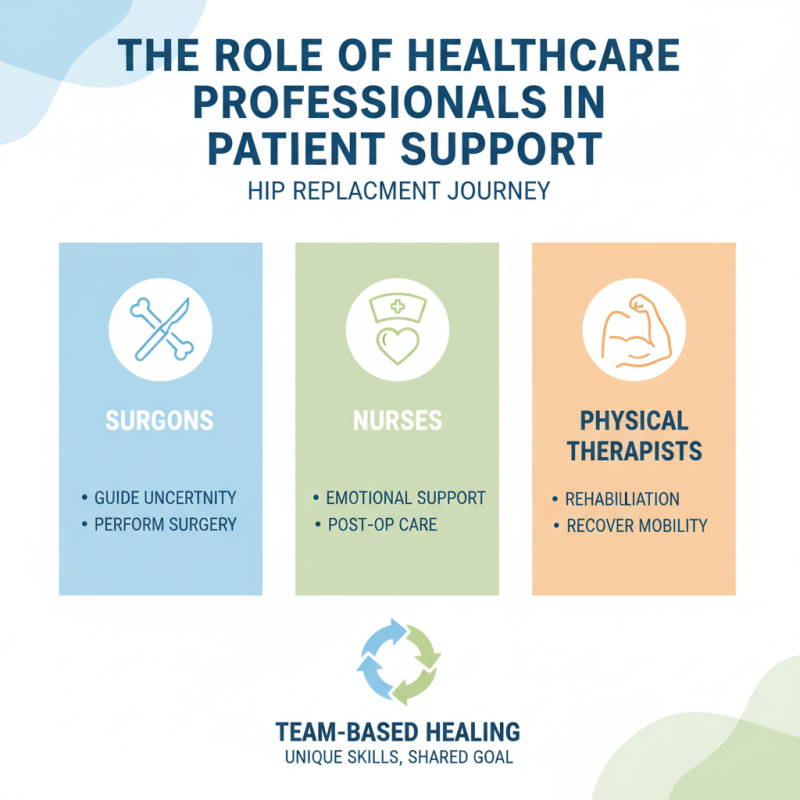
The journey of a hip replacement patient is often filled with uncertainty. Healthcare professionals play a crucial role in providing support during this time. Surgeons, nurses, and physical therapists work as a team. Each one brings unique insights and skills to help patients heal.
Surgeons guide patients through the surgical process. They outline what to expect before, during, and after surgery. However, patients might still have many questions. This is where nurses come in. They offer constant reassurance and check in frequently. Their role is vital in helping patients manage pain and confusion.
Physical therapists provide practical support. They create personalized exercise plans to enhance recovery. Patients often struggle with mobility and strength. This can be frustrating and slow. Regular sessions with a therapist can help regain confidence. It’s essential for both patients and professionals to communicate openly. Not all support methods work for everyone, and adjustments are often necessary. Adapting to unique needs can make a significant difference in recovery.
Emotional and social support networks play a crucial role in the recovery of hip replacement patients. After surgery, individuals can feel isolated or anxious. Friends and family are vital. Their presence can provide comfort during difficult moments. Simple gestures, like a phone call or a shared meal, can make a huge difference.
Support groups also offer unique benefits. Meeting others who understand the journey can alleviate feelings of loneliness. Sharing experiences fosters connection. It’s essential to actively seek out these networks. Some patients may hesitate, feeling their struggles are unique. However, joining a group may reveal common challenges and solutions.
Reflecting on emotional needs is important. Many patients overlook their mental health while focusing on physical recovery. Acknowledge feelings of frustration or sadness. It's natural to feel overwhelmed. Creating a balance between physical and emotional care is key. Support networks can help navigate these complex emotions.
| Support Type | Description | Impact on Recovery | Examples |
|---|---|---|---|
| Family Support | Emotional and practical support from family members during recovery. | Enhanced emotional well-being and reduced feelings of loneliness. | Assistance with daily tasks, encouragement to exercise. |
| Friend Support | Friends can provide companionship and recreational activities post-surgery. | Improved mood and motivation to engage in recovery activities. | Visits, social outings, and phone calls. |
| Support Groups | Groups of individuals who have undergone similar surgeries to share experiences. | Sense of belonging and understanding, exchange of coping strategies. | Local or online meetups, discussion forums. |
| Professional Counseling | Therapeutic support from trained professionals for emotional issues. | Addressing anxiety, depression, and emotional resilience. | Individual therapy, group therapy sessions. |
| Community Resources | Local organizations offering support services for patients. | Access to needed resources and social engagement opportunities. | Transportation services, meal delivery, fitness classes. |
Rehabilitation after hip replacement is crucial for recovery. Finding the right resources can help patients regain mobility and strength. Local community centers often offer fitness programs designed for post-surgery patients. Engaging with peer support groups can also provide motivation. Hearing stories from others who’ve undergone the same experience can be comforting.
Educational resources are essential for understanding the recovery process. Online platforms feature videos that demonstrate safe exercises. These tools help patients visualize their progress. Workshops conducted by healthcare professionals give valuable insights too. Attending these can answer lingering questions about rehabilitation.
Sometimes, it’s hard to stay committed to a routine. Patients may feel discouraged if progress stalls. It’s important to acknowledge these feelings. Seeking guidance from physical therapists can clarify doubts. Regular appointments with them can help tailor exercises to individual needs. Reflecting on one's journey is necessary. The path to recovery is rarely linear, and that’s okay.
We are committed to deliver solutions and transforming the way joint replacement procedures are performed.
Looking for the
Register as