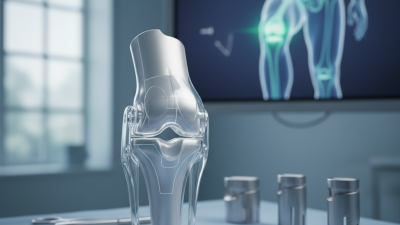
What is Joint Replacement Mobility Restoration and How Does it Work?
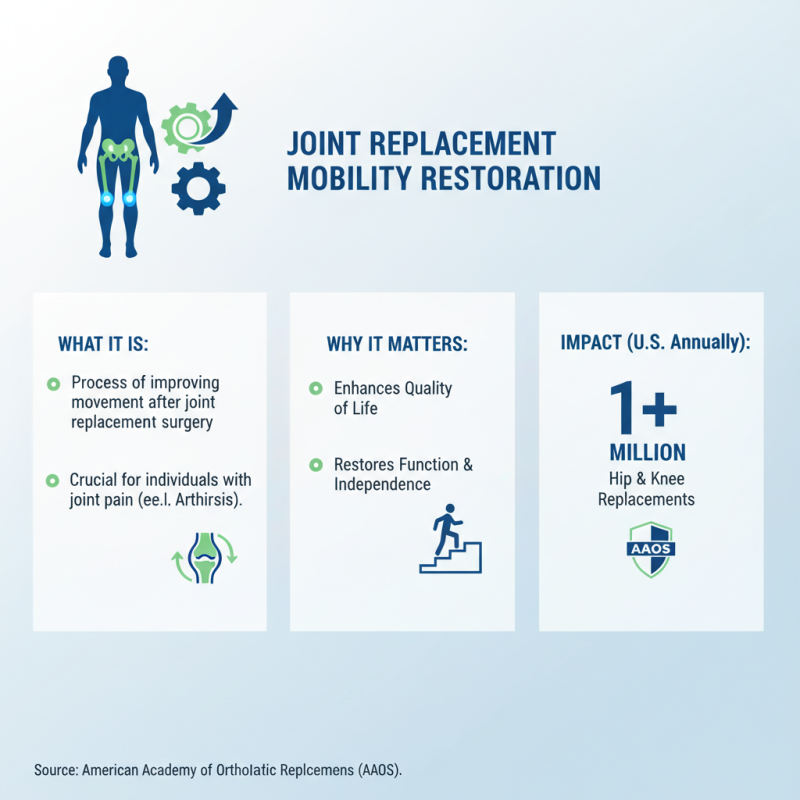
Joint replacement mobility restoration is a transformative procedure. It aims to enhance mobility for those with severe joint issues. Many patients struggle with chronic pain and limited movement. These challenges can hinder daily activities and affect overall quality of life.

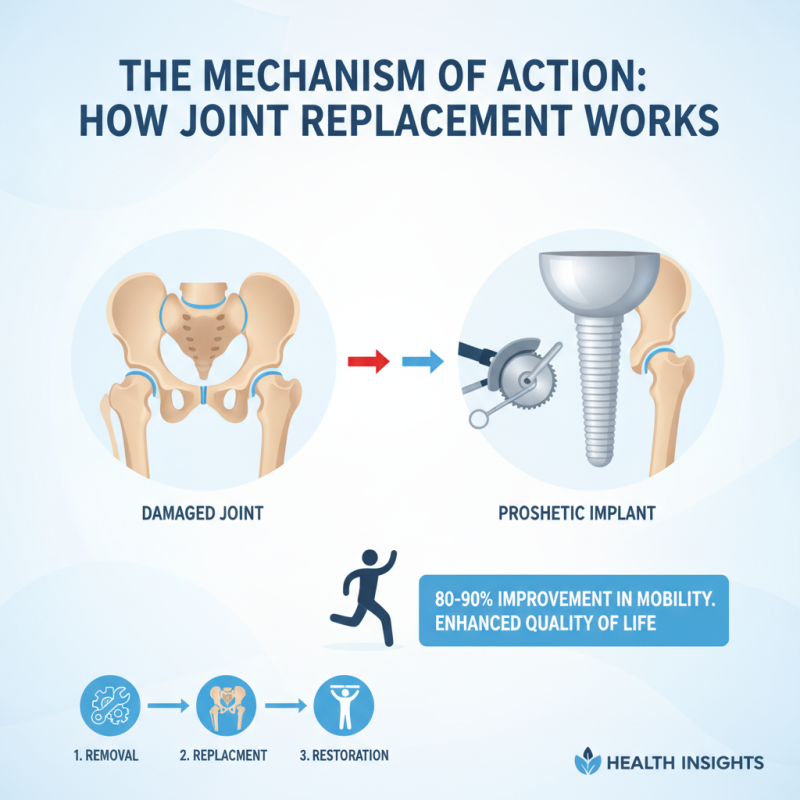
This treatment method involves replacing damaged joints with artificial implants. It requires skilled surgeons and advanced technology. Patients often experience significant improvements post-surgery. However, the journey to recovery can be complex. Rehabilitation plays a crucial role in the process.

Understanding joint replacement mobility restoration is vital for prospective patients. It presents new opportunities but also risks. Preparing for surgery requires careful consideration. Patients should remain informed and aware of potential challenges. The path to regaining mobility is not always straightforward, but it can lead to a renewed perspective on life.

What is Joint Replacement Mobility Restoration and How Does it Work?

What is Joint Replacement Mobility Restoration?

Joint Replacement Mobility Restoration refers to the process of improving movement after joint replacement surgery. This intervention is crucial for enhancing the quality of life for patients. According to the American Academy of Orthopaedic Surgeons, over 1 million knee and hip replacement surgeries occur annually in the United States. Many patients experience significant mobility improvements post-surgery, often achieving full range of motion within months. However, not all patients regain their pre-surgery mobility. Factors like age, weight, and overall health can impact recovery times.

The rehabilitation process typically includes physical therapy designed to strengthen muscles and improve flexibility. Studies indicate that patients actively participating in post-operative physical therapy see up to a 40% increase in mobility compared to those who do not engage fully. Challenges remain, such as managing pain and adhering to rehabilitation schedules. Some may struggle with the emotional aspects of recovery too, feeling frustration over slower progress. This multifaceted approach requires both medical and psychological support to ensure long-term success. The dedication of healthcare professionals and ongoing support are vital components of achieving optimal mobility restoration after joint replacement.

What is Joint Replacement Mobility Restoration and How Does it Work?

Dimension Description
Procedure Type Total Joint Replacement, Partial Joint Replacement
Common Joints Replaced Hip, Knee, Shoulder, Ankle
Indications for Surgery Severe Arthritis, Joint Pain, Limited Mobility
Recovery Time 6 weeks to 6 months, depending on joint
Physical Therapy Essential for restoring mobility and strength
Expected Outcomes Improved Range of Motion, Reduced Pain
Risks & Complications Infection, Blood Clots, Implant Failure

The Importance of Joint Replacement in Orthopedic Surgery

Joint replacement plays a critical role in orthopedic surgery. It addresses severe joint pain and disability caused by conditions like arthritis. Patients often regain mobility and improve their quality of life through this surgical intervention. The procedure involves replacing damaged joints with artificial ones. Surgeons skillfully create an individualized plan to ensure optimal outcomes.

Tips for recovery:

  • Starting physical therapy early to rebuild strength.
  • Engage in low-impact exercises to enhance mobility without straining the new joint.
  • Consistency is key, but avoid overexertion.
  • Listen to your body. Pain may linger, and this is natural.
  • Adjust your activities gradually to avoid setbacks.

Navigating the path to recovery can be challenging. Some patients encounter frustration due to slow progress. It's important to embrace each small victory. Support from healthcare professionals and family can make a significant difference. Open communication about difficulties can help tailor recovery plans effectively. Balance patience with determination for the best results.

How Joint Replacement Procedures Improve Mobility and Functionality

What is Joint Replacement Mobility Restoration and How Does it Work?

Joint replacement procedures have transformed the lives of many individuals suffering from joint pain and limited mobility. These surgeries typically involve replacing damaged or diseased joints, most commonly the hips and knees, with artificial components. The primary goal is to alleviate pain and restore physical function. Post-surgery, patients often experience significant improvements in their ability to move and engage in daily activities.

Recovery protocols play a crucial role in mobility enhancement. Physical therapy is essential for rebuilding strength and flexibility. Therapists design individualized exercise programs to guide patients through their recovery. Some patients may initially struggle with the rehabilitation process. This can lead to feelings of frustration or doubt about their progress. It’s important to acknowledge that adaptation takes time. Gradual improvements are a normal part of healing.

While joint replacement can yield impressive results, it isn’t without challenges. Patients may face limitations in range of motion or discomfort during certain activities. Open communication with healthcare providers can help address these issues. Setting realistic expectations is crucial, as each person’s recovery journey differs. Encouragement and support from family and friends can make a significant difference in the rehabilitation process.

Key Technologies and Techniques in Joint Replacement Surgery

What is Joint Replacement Mobility Restoration and How Does it Work?

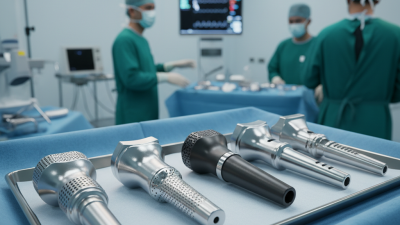
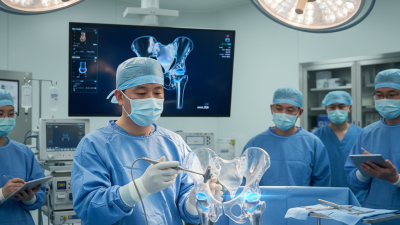
Joint replacement surgery has made significant advancements, thanks to key technologies and innovative techniques. Surgeons now utilize computer-assisted navigation systems to improve precision during the procedure. These systems provide real-time feedback, helping to ensure accurate placement of implants. The use of robotics also enhances surgical dexterity, allowing for smaller incisions and quicker recovery times.

Another critical technique is minimally invasive surgery. This approach reduces tissue damage and results in less postoperative pain. With smaller incisions, patients often experience faster recovery and fewer complications. Advanced imaging techniques, such as MRI and CT scans, assist in preoperative planning. They allow surgeons to visualize the joint in detail before making any cuts.

Despite these advancements, challenges remain. Not all patients may benefit equally from these technologies. Factors such as age, weight, and underlying health conditions can impact outcomes. Surgeons must carefully assess individual cases to determine the best approach. Continuous learning and adaptation in technique are essential for optimal results. The journey to improving mobility through joint replacement is ongoing, and reflection on past experiences informs better practices for the future.

Statistics on Recovery Rates and Quality of Life Post-Operative

Joint replacement surgeries have become common, offering hope for improved mobility. Many patients have positive recovery outcomes. Statistics show that about 90% of knee replacement patients experience significant pain relief after surgery. Hip replacement patients often report similar results, with over 85% feeling satisfied within a year.

The recovery process varies significantly among individuals. Age, health status, and adherence to rehabilitation play crucial roles. While many regain full functionality, some face challenges. Infection or complications can prolong recovery. Lifestyle adjustments and physical therapy are vital for successful outcomes.

Quality of life post-surgery often improves. Studies indicate that 70% of patients report enhanced daily activities after joint replacement. Yet, not all experiences are perfect. Some patients struggle with mobility or pain even months later. Understanding these outcomes helps patients prepare better for their journeys.

Zer0 Product Recalls

Why Shalby MedTech

We are committed to deliver solutions and transforming the way joint replacement procedures are performed.

Reliability
Integrity
Teamwork