



Top 10 Partial Knee Replacement Care Tips?
Recovering from partial knee replacement can feel encouraging, yet daily progress is rarely perfectly smooth. A short walk may feel manageable one morning and surprisingly tiring that evening. This guide, “Top 10 Partial Knee Replacement Care Tips,” explains practical steps for safer, more confident recovery. It focuses on wound care, pain control, movement, sleep, nutrition, and follow-up appointments. Each suggestion supports the instructions given by your orthopedic surgeon and physical therapist.
Partial knee replacement care should be personal, measured, and patient. Your incision may need protection while swelling gradually decreases around the knee. Using prescribed exercises, keeping the leg supported, and applying cold therapy correctly may improve comfort. However, more exercise is not always better. Pain that increases sharply, new redness, drainage, calf swelling, chest pain, or breathing difficulty requires prompt medical attention. Do not ignore unusual symptoms.
Small details matter.
The advice in this article reflects common clinical guidance, but it cannot replace an examination or individualized recovery plan. Implant type, age, fitness, other health conditions, and surgical technique can change your needs. Some recommendations may seem simple, yet consistency often matters more than intensity. I also recognize that recovery advice is not flawless; one tip may work well for one patient and poorly for another. Keep notes about pain, walking distance, medication effects, and sleep. Share those observations honestly with your care team. With informed choices and realistic expectations, these ten care tips can help you protect healing tissues, build strength gradually, and return to meaningful activities with greater confidence.
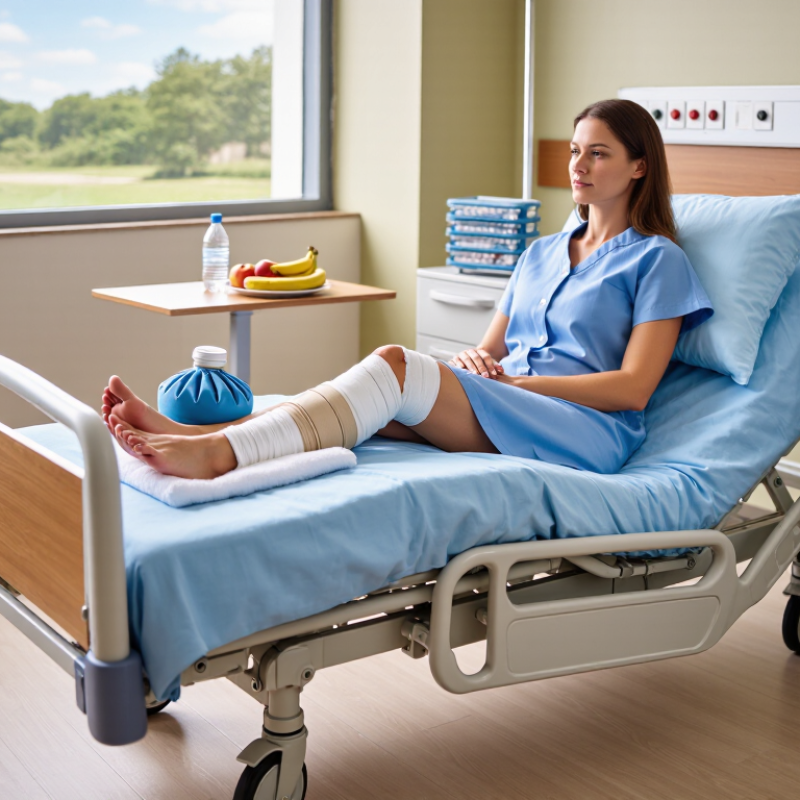
Understanding Partial Knee Replacement Recovery
Understanding Partial Knee Replacement Recovery begins with realistic expectations. Recovery is often quicker than total knee replacement, but healing still varies. The 2024 American Joint Replacement Registry Annual Report included more than three million recorded hip and knee procedures, showing why registry evidence matters. Follow your surgeon’s plan, protect the incision, and keep the dressing dry. Use prescribed pain medicine safely. Elevate the leg and apply cold packs for short periods. Do not place ice directly on skin.
Walk frequently with your recommended aid, even if each trip is brief. Perform ankle pumps to support circulation. Complete physical therapy exercises, but stop before sharp pain. Keep the knee moving without forcing its bend. The National Joint Registry’s 21st Annual Report indicates that partial knee replacements can have higher revision rates than total replacements, making follow-up care important. Attend every review, even when progress feels normal.
Watch for increasing redness, drainage, fever, calf swelling, chest pain, or sudden breathlessness. Seek urgent medical advice for these symptoms. A common mistake is measuring recovery by stairs alone. Sleep, appetite, mood, and confidence matter too. Avoid kneeling, twisting, heavy lifting, and driving until your clinician approves. The American Academy of Orthopaedic Surgeons recommends gradual activity progression after joint replacement. Recovery is not perfectly linear. A quiet week does not always mean failure.
Top 10 Partial Knee Replacement Care Tips? – Understanding Partial Knee Replacement Recovery
| No. | Care Tip | Why It Matters | Practical Recovery Guidance | Typical Timing or Goal | Contact Your Clinical Team If |
|---|---|---|---|---|---|
| 1 | Follow the personalized discharge plan | Partial knee replacement recovery varies according to surgical findings, general health, medications, and mobility before surgery. | Use the prescribed medicines, walking instructions, wound-care plan, and follow-up schedule. Do not change doses or stop prescribed medication without medical advice. | Begin the plan immediately after discharge and review it at each follow-up visit. | Instructions are unclear, a medicine causes concerning effects, or pain remains poorly controlled. |
| 2 | Complete prescribed physical therapy and exercises | Controlled movement helps restore knee range of motion, strength, balance, and walking ability. | Perform only the exercises recommended by your surgeon or physical therapist. Increase repetitions or resistance gradually rather than exercising through sharp pain. | Exercises commonly begin soon after surgery, with progress measured over the first several weeks. | The knee repeatedly gives way, swelling sharply increases, or exercise causes persistent worsening pain. |
| 3 | Use walking aids safely | A walker or crutches can reduce fall risk while strength, balance, and confidence return. | Use the aid exactly as taught. Move to a cane or independent walking only when your clinical team confirms that your gait is stable and safe. | Many people progress during the early weeks, but the pace is individual and should not be forced. | You cannot bear weight as expected, experience repeated falls, or develop new severe instability. |
| 4 | Manage swelling with elevation and cold therapy | Swelling is common after knee surgery and can limit comfort and movement. | Rest with the leg elevated as instructed. Use a covered cold pack for short sessions, protecting the skin and following the surgical team’s guidance. | Swelling often fluctuates for several weeks and may increase after activity. | Swelling suddenly worsens, the calf becomes painful or tender, or the leg changes color or temperature. |
| 5 | Protect the incision and monitor healing | Keeping the incision clean and dry as directed helps reduce the risk of wound complications. | Follow dressing and shower instructions. Do not soak the incision in a bath or pool until the wound has healed and permission has been given. | The incision should gradually become less tender and less red as healing progresses. | Increasing redness, warmth, drainage, opening of the wound, fever, or worsening tenderness develops. |
| 6 | Prevent blood clots as directed | Surgery and reduced mobility can increase the risk of deep-vein thrombosis and pulmonary embolism. | Take prescribed blood-thinning medication if ordered, perform approved ankle movements, walk regularly, and avoid prolonged immobility. | Use the prevention plan for the full duration prescribed by your clinician. | Seek urgent care for sudden shortness of breath, chest pain, coughing blood, or fainting. Report new one-sided calf swelling or pain promptly. |
| 7 | Increase activity gradually | Gradual progression supports recovery while reducing the chance of excessive swelling or strain. | Begin with short, frequent walks and alternate activity with rest. Avoid running, jumping, heavy lifting, and high-impact activity until cleared. | Increase distance and daily tasks according to symptoms, gait quality, and professional guidance. | Pain or swelling remains elevated into the next day after a small increase in activity. |
| 8 | Make the home environment safer | Removing hazards lowers the risk of falls during the period of limited mobility. | Clear loose rugs and cables, improve lighting, use handrails on stairs, and keep frequently used items within easy reach. | Maintain these precautions until walking is steady without an aid. | A fall occurs, even if there is little immediate pain, or you cannot safely manage stairs and essential daily tasks. |
| 9 | Support recovery with sleep, nutrition, and hydration | Adequate rest, protein, calories, fluids, and fiber support healing and help reduce constipation related to reduced activity or pain medicine. | Eat balanced meals, drink fluids unless restricted, include fiber-rich foods, and ask your clinician before taking supplements. | Maintain these habits throughout the recovery period, especially while activity is limited. | Persistent vomiting, dehydration, severe constipation, inability to eat, or unusual fatigue occurs. |
| 10 | Attend follow-up appointments and ask about milestones | Follow-up visits help assess the incision, range of motion, strength, pain, walking pattern, and implant function. | Bring questions about driving, work, bathing, kneeling, travel, exercise, and when normal activities can resume. | Return to activities is individualized; clearance should come from the treating team rather than a fixed calendar date. | Recovery stops progressing, pain or stiffness worsens, or new clicking, locking, instability, or reduced movement appears. |
Important: Recovery instructions can differ between patients. Always follow the specific advice provided by your surgeon, physical therapist, and healthcare team.
Related Posts
-
Why Choose the Best Hip Replacement Systems for Your Needs?
-
Exploring Unisyn Hip Systems in China Best Practices for Innovation?
-
How to Choose the Best Cemented Hip Stem Solutions?
-
Top Cementless Hip Stem Solutions for Global Buyers?
-

2026 Top Innovations in Joint Replacement Featuring TaperSet Hip System?
-
China Best Consensus Knee System Innovations and Benefits Explained?

Why Shalby MedTech
We are committed to deliver solutions and transforming the way joint replacement procedures are performed.
 Reliability
 Integrity
 Teamwork
 Looking for the
 Register as