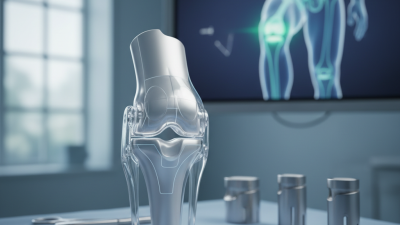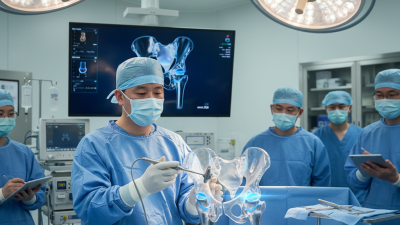
Choosing among the 2026 top Eternity Dual Mobility Hip replacement options requires more than comparing brand names or advertised features. Patients and clinicians should examine implant design, clinical evidence, regulatory clearance, surgical compatibility, and long-term follow-up data. The Eternity Dual Mobility Hip may attract attention because dual-mobility systems aim to balance stability, movement, and joint performance. However, outcomes depend on much more than the cup itself.
A careful review should consider implant materials, liner geometry, fixation method, bearing surfaces, and revision planning. It should also reflect the patient’s age, bone quality, activity level, anatomy, and previous hip surgery. An experienced orthopedic surgeon can explain how these details affect dislocation risk, wear, infection prevention, and rehabilitation expectations. Ask for evidence, not promises.
Real-world experience matters.
Manufacturers may present encouraging results, but independent studies and transparent post-market surveillance deserve equal attention. Evidence may also be uneven across newer systems. That is an important limitation. No single implant is ideal for every patient, and no ranking can replace individualized medical advice. This guide will compare leading 2026 options using practical clinical considerations, available research, regulatory information, and surgeon perspectives. It will highlight potential advantages, uncertainties, and questions worth asking before surgery. Verify current product availability and approval status in your country, since these can change over time. The best choice is usually the one supported by sound evidence, appropriate anatomy, skilled implantation, and a realistic recovery plan.
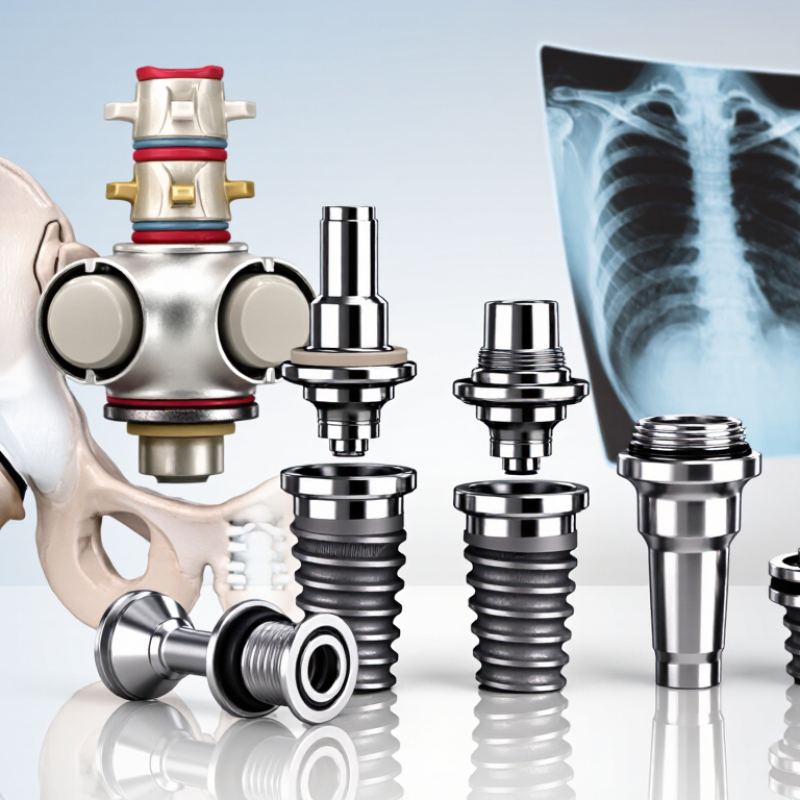
A dual mobility hip replacement is designed to reduce the chance of dislocation by adding a second bearing surface. A small femoral head snaps into a mobile polyethylene liner, which then moves inside a metal acetabular shell. The construct can provide a larger effective head size while preserving a compact inner bearing. In practical terms, the outer liner may travel with the femoral head during movement, such as rising from a low chair or turning in bed. More range before impingement is the goal. It is not a guarantee against dislocation.
The American Joint Replacement Registry’s 2024 Annual Report covers more than 3.1 million hip and knee procedures recorded since 2012, illustrating the scale of modern registry surveillance. Yet registry totals do not prove that one design suits every patient. Surgeons also consider component position, soft-tissue condition, bone quality, and activity needs. The extra bearing surfaces introduce trade-offs, including potential wear and, rarely, liner-related complications. Small details matter. A component that appears stable on an X-ray can still perform poorly if positioning or patient factors are unfavorable. Dual mobility is a design choice, not a shortcut around careful surgical planning.
A dual mobility hip implant uses two moving surfaces instead of one. A small metal femoral head fits inside a larger polyethylene liner. The liner then moves within a metal socket fixed in the pelvis. Two points of motion.
This arrangement creates a larger effective head, which can increase the distance the joint must travel before the head dislocates. Picture a smooth ball nested in a mobile cup, with the cup turning inside the socket as the leg moves. That added range may help reduce dislocation risk for some patients, including people with particular stability concerns. It does not prevent every dislocation. Surgical positioning, soft-tissue condition, activity, and patient health still matter.
The moving liner also introduces another bearing surface. Over time, friction and wear deserve consideration, and implant designs do not all perform identically. A surgeon weighs these factors against a patient’s anatomy, surgical history, and daily needs. Evidence should be interpreted carefully; a promising design is not automatically the right choice for everyone. Dual mobility can be useful, but it is not magic. Even experienced clinicians must balance stability with long-term material behavior, and individual outcomes can vary.
Choosing a dual mobility hip implant should begin with the patient, not a product ranking. Age, activity, body weight, and daily movement patterns all influence implant selection. A patient who gardens, climbs stairs, or plays low-impact sports may need different considerations than someone with limited mobility. Still, age alone is a poor shortcut.
Previous hip surgery, bone quality, pelvic anatomy, and the cause of joint damage deserve careful review. Patients with higher dislocation risks may benefit from a dual mobility design, especially after revision surgery or when soft tissues are weak. Neuromuscular conditions can also affect stability. Detailed X-rays, and sometimes advanced imaging, help the surgeon assess bone support and component positioning. Not every pelvis offers the same options. This detail is easy to underestimate.
Patients should ask about expected movement, wear, fixation, and possible complications. Surgeon experience with dual mobility systems matters because accurate sizing and alignment are essential. Follow-up care also matters. Small changes in pain, walking, or leg length should not be ignored. No selection is risk-free. A plan may look convincing before surgery, yet personal goals or bone findings can change the decision. Careful discussion is more reliable than a quick promise of the “best” option.
Choosing a dual mobility hip replacement in 2026 requires more than comparing cup diameters. The full construct matters. It usually includes an acetabular shell, a mobile polyethylene liner, and a femoral head. Each component affects stability, range of motion, and fixation.
Surgeons commonly review the patient’s bone quality, hip anatomy, activity level, and dislocation risk. A larger outer diameter may improve stability, but it can also increase impingement concerns in certain anatomies. Shell fixation may rely on press-fit stability, supplemental screws, or both. The liner and head combination should match the stem taper, offset needs, and planned leg length.
Imaging helps identify bone loss, pelvic tilt, and previous hardware. In revision cases, component orientation becomes especially important. Poor positioning can limit motion and increase edge loading, even when the implant appears secure. Long-term follow-up should assess wear, loosening, infection, and rare intraprosthetic dislocation.
A wider catalog does not prove better performance. That is an easy mistake. Reliable decisions depend on peer-reviewed evidence, validated sizing systems, surgical training, and careful patient selection. I would also question configurations chosen only for convenience or marketing language. The best option is the one that fits the patient’s anatomy and the surgeon’s tested plan, not simply the one with the largest head or newest geometry.
Dual mobility hip replacement demands careful planning, not a one-size-fits-all decision. Surgeons assess bone quality, pelvic anatomy, muscle function, previous operations, and dislocation risk. The 2024 Australian Orthopaedic Association National Joint Replacement Registry reported that hip replacement revision risk varies by patient age, diagnosis, fixation, and implant design. These differences make individual counseling essential.
During surgery, component orientation and soft-tissue balance remain critical. A larger effective head may improve stability, but it does not eliminate instability, infection, fracture, or wear. The 2024 American Joint Replacement Registry Annual Report included more than three million recorded hip and knee procedures, supporting the value of large registry datasets. However, registry comparisons remain imperfect. Patient selection can distort results.
Recovery usually includes early walking, blood-clot prevention, wound checks, and progressive strengthening. Many patients regain practical function within several weeks, but endurance often develops more slowly. A walking aid may still be useful outside the home. Pain should gradually decline, not suddenly intensify. New drainage, fever, calf swelling, or a shortened leg requires prompt medical assessment.
Long-term follow-up should monitor mobility, radiographs, component position, and recurrent instability. The 2023 International Society of Arthroplasty Registries report emphasizes standardized data collection for detecting revision trends. Annual reviews may be reasonable for higher-risk patients, while others need symptom-led assessment. Follow-up plans should be written clearly. Adherence is often underestimated.
General, non-brand-specific overview of dual mobility (DM) hip replacement configurations and care considerations. The appropriate implant and treatment plan depend on the patient’s diagnosis, anatomy, bone quality, and surgeon’s assessment.
| Option or care area | What it involves | Potential advantages | Key considerations and limitations | Typical decision or follow-up points |
|---|---|---|---|---|
| Modular dual mobility construct | A mobile polyethylene insert holds a smaller femoral head and articulates within a metal acetabular liner placed in the hip socket shell. | Provides two bearing surfaces and a larger effective head size, which can improve stability in appropriately selected patients. | Additional interfaces require careful component assembly and compatibility checks. Modular metal interfaces may be associated with corrosion or adverse local tissue reactions in some circumstances. | Surgeons assess component fit, seating, compatibility, and positioning during implantation. Follow-up is guided by symptoms, examination, and imaging when indicated. |
| Monoblock dual mobility construct | The acetabular shell and its inner bearing surface are manufactured as a single component rather than as a separate modular liner. | Avoids a separate modular shell–liner junction. | Available fixation and bearing choices vary by system. It may offer less intraoperative flexibility than a modular construct, and suitability depends on the patient’s anatomy and surgical plan. | Selection is based on the required fixation, bone stock, component position, and the surgeon’s experience with the construct. |
| Cementless acetabular fixation | The cup is press-fit into prepared bone; bone is expected to grow onto or into its porous surface over time. | Commonly used when bone quality and fit allow stable initial fixation. | Initial stability and bone quality matter. Fracture risk, bone loss, and the need for supplemental fixation are assessed individually. | Postoperative weight-bearing instructions depend on fixation stability, bone quality, and any additional procedures performed. |
| Cemented fixation or cemented DM use | Bone cement secures one or more components; cemented DM configurations may be considered in selected cases, including some complex or revision settings. | Can be useful when the surgeon judges cemented fixation appropriate for the available bone and clinical situation. | Not a universal alternative to cementless fixation. The decision depends on bone stock, fracture risk, implant design, and the overall reconstruction plan. | The surgeon determines fixation method and postoperative restrictions; there is no single approach suitable for every patient. |
| Primary hip replacement | DM may be considered for selected patients having their first total hip replacement when stability risk or other clinical factors support its use. | May provide added stability compared with a conventional fixed-bearing construct in selected situations. | DM is not necessary for every primary hip replacement. Patient age, activity, diagnosis, anatomy, and potential long-term bearing considerations all matter. | Discuss expected benefits, alternatives, and risks with the treating orthopaedic surgeon before surgery. |
| Revision hip replacement | Used as part of a revision reconstruction when replacing or revising components, including in some cases involving recurrent instability or substantial risk of dislocation. | Can be one strategy to improve stability while addressing the underlying cause of failure. | Revision surgery may involve bone loss, infection evaluation, damaged tissues, or changes to component position. A DM bearing does not by itself correct every cause of instability. | The plan may include infection testing, imaging, assessment of existing components, and a tailored rehabilitation protocol. |
| Implant positioning and soft-tissue balance | The surgeon positions the socket and femoral components and assesses leg length, offset, range of motion, and soft-tissue tension. | Careful reconstruction supports function and stability. | There is no single component-position “safe zone” that guarantees stability for every patient. Spinopelvic mobility, prior surgery, and individual anatomy can affect risk. | Preoperative assessment and intraoperative checks guide positioning. Postoperative imaging may be used to evaluate component position when clinically appropriate. |
| Early recovery and rehabilitation | Care commonly includes pain management, wound care, walking practice, and exercises guided by the surgical team and physical therapist. | Early mobilization is commonly encouraged after uncomplicated hip replacement, with the aim of restoring safe mobility and daily function. | Weight-bearing status, assistive-device use, and activity restrictions vary with fixation, bone quality, surgical approach, complications, and other procedures. | Many patients begin mobilizing on the day of surgery or the following day, but timing and progression are individualized. Follow the discharge plan rather than a generic schedule. |
| Risks to monitor | Potential complications include infection, blood clots, fracture, loosening, wear, dislocation, and the uncommon intraprosthetic dislocation in which the mobile insert separates from the captured femoral head. | Awareness of warning signs supports timely evaluation and treatment. | Risk varies with patient health, surgical complexity, implant factors, and activity. A new deformity, sudden pain, inability to bear weight, fever, wound drainage, or calf swelling warrants prompt medical advice. | Seek emergency care for severe or sudden symptoms; contact the surgical team promptly for concerning wound, pain, mobility, or clot symptoms. |
| Long-term follow-up | Follow-up typically includes clinical review and imaging when appropriate to assess symptoms, function, and implant status. | Allows the care team to identify concerns and advise on ongoing activity and joint health. | Follow-up schedules differ among surgeons and health systems. New pain, instability, reduced function, or other changes should be assessed even between routine visits. | Visits may occur in the early postoperative period and later as directed by the surgeon; ongoing or periodic review may be recommended based on individual risk and symptoms. |
Important: This table is general educational information, not a diagnosis or treatment recommendation. Implant selection, surgical technique, recovery restrictions, and follow-up should be determined by a qualified orthopaedic surgeon in consultation with the patient.
We are committed to deliver solutions and transforming the way joint replacement procedures are performed.
Looking for the
Register as