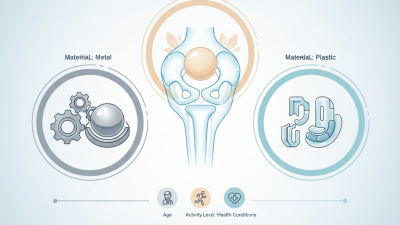
Choosing the right hip replacement systems can significantly impact recovery and quality of life. Many patients face the daunting task of selecting the most suitable option for their needs. This decision is crucial, as it involves understanding various types of implants and their compatibility with your body.
The best hip replacement systems are designed with advanced technology. These systems offer durability and improved mobility post-surgery. However, not all systems work for every patient. Individual factors such as age, activity level, and overall health play a vital role in determining the most effective choice.
Moreover, consulting with experienced orthopedic surgeons can guide you in navigating these options. They can provide insights based on clinical expertise and patient outcomes. Your choice should be well-informed, considering both the advantages and potential limitations of each system. By prioritizing personalized care and thorough research, you can make a more confident decision.

Hip replacement systems are critical for those suffering from hip joint issues. Understanding the different types can help tailor treatment to individual needs. There are three main types: total, partial, and resurfacing hip replacements. Each type offers unique benefits, addressing varying degrees of joint damage. Total replacements involve removing the entire joint and replacing it with an artificial one. Partial replacements aim to replace only the damaged parts, allowing for a quicker recovery. Resurfacing, on the other hand, preserves more of the patient's natural bone.
Choosing the right system can be daunting. Factors such as age, activity level, and bone quality influence the decision. While total hip replacements are common, not everyone may need such an invasive procedure. In some cases, partial or resurfacing options could provide sufficient relief with a faster recovery. Discussions with orthopedic specialists can clarify the best choice. This approach builds trust, crucial for patient satisfaction. Each option comes with potential risks and benefits that deserve careful consideration. Reflecting on personal lifestyle and recovery expectations can aid in making an informed decision.
Selecting the right hip replacement system involves careful consideration of longevity and success rates. Research shows that various implant materials perform differently over time. For instance, ceramic implants offer durability and resistance to wear. In contrast, metal-on-polyethylene options may have higher rates of revision surgery. Understanding these differences can impact the long-term success of your procedure.
When evaluating implants, consider not just the materials but also clinical outcomes. Studies indicate that patients often experience varied success rates based on factors like age and activity levels. This diversity highlights the importance of personalized discussions with orthopedic specialists. Engaging closely with your doctor can lead to the most suitable option for your lifestyle.
Observe how your body responds post-surgery. Some patients report discomfort or limited mobility even years after the replacement. Reflecting on these experiences can provide valuable insights for others. It’s essential to stay vigilant and report any changes to healthcare providers. Ultimately, making informed decisions can enhance your overall quality of life after hip replacement.
Choosing the right hip replacement system involves several critical factors. Patient-specific needs and medical history play a significant role. Surgeons often recommend systems based on factors such as weight, activity level, and overall health. A report from the American Academy of Orthopaedic Surgeons indicated that around 90% of patients experience significant pain relief after surgery. However, not every system suits every patient.
Material is a key consideration. Options like ceramic, metal, and plastic affect longevity and performance. A recent meta-analysis showed that ceramic-on-ceramic systems have a lower wear rate, increasing their lifespan. The choice of bearing surface can significantly influence outcomes. Surgeons must assess which material aligns with an individual’s lifestyle.
When making a decision, consider speaking with your surgeon about their experience with different systems. Research shows that surgeons familiar with a variety of options tend to achieve better patient outcomes. It’s essential to rely on data and expertise rather than solely on marketing claims. Understanding the benefits and limitations of each system fosters informed choices. Remember, not every system will deliver the expected outcomes for everyone. It’s vital to weigh options critically for best results.
| Factor | Description | Importance Level |
|---|---|---|
| Material | The composition of the implant, such as metal, ceramic, or plastic. | High |
| Patient Age | Age of the patient can affect the choice of implant type and longevity. | Medium |
| Activity Level | How active the patient is plays a role in selecting a durable implant. | High |
| Bone Quality | The density and health of the bone affect implant stability. | High |
| Surgeon Experience | Experience and familiarity of the surgeon with specific systems. | Very High |
| Implant Longevity | Expected lifespan of the implant based on materials and design. | High |
| Cost | Financial implications of different implant options. | Medium |
| Post-Operative Recovery | Expected recovery time and rehabilitation needs post-surgery. | Medium |
Choosing the right hip replacement system is crucial. Many patients face similar challenges after surgery. A comparative analysis of leading hip replacement technologies reveals significant differences in performance and outcomes. According to a recent industry report, nearly 20% of patients experience complications with certain systems, making informed choices essential.
Material quality and surgical techniques play vital roles in the success of hip replacements. Research indicates that titanium and ceramic materials significantly reduce implant wear and improve longevity. Notably, some implants last up to 25 years, while others may require revision in just a decade. It’s essential to assess the longevity metrics before making a decision.
Consider these factors when deliberating: consult orthopedic specialists about the latest advancements. Engage in discussions about different implants. Investigate your surgeon’s experience with specific brands, as their expertise can greatly influence outcomes. Always ask about the latest clinical results and patient satisfaction surveys to make the most informed choice.
When selecting hip replacement solutions, patient-centric considerations are crucial. Understanding your personal needs ensures better outcomes. Factors like age, activity level, and other health conditions play a significant role. Patients often experience different pain levels and mobility restrictions, which can influence the type of implant.
Consultation with your healthcare provider is vital. An experienced surgeon can provide insights into the most suitable systems. Do not hesitate to ask questions. Discuss risks, recovery needs, and potential complications. Sometimes, patients overlook these aspects, leading to dissatisfaction later. Reflecting on past experiences with healthcare can guide better decisions.
The emotional aspect shouldn't be ignored. Hip replacement is a significant life change. Anxiety and expectations can affect recovery. Engaging in support groups may help. Sharing experiences can illuminate paths you hadn't considered. Remember, the best system aligns with your lifestyle and goals, not just technical specifications.
We are committed to deliver solutions and transforming the way joint replacement procedures are performed.
Looking for the
Register as