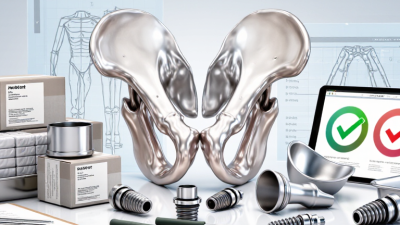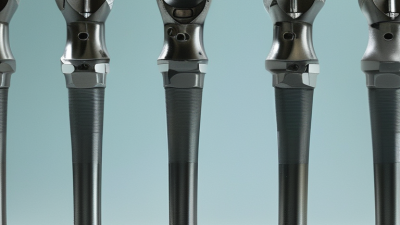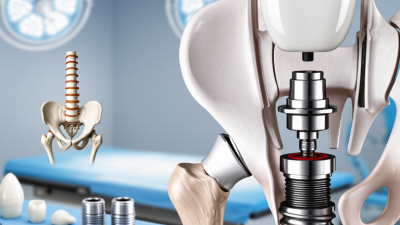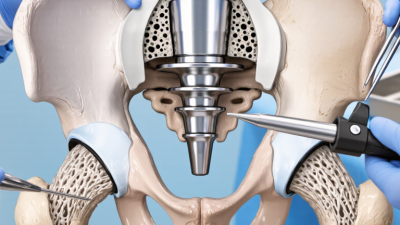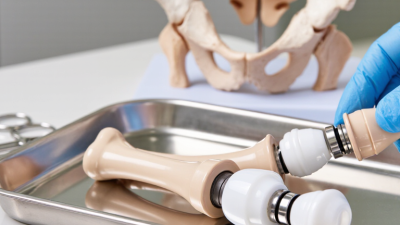
Hip replacement systems are engineered to restore movement after severe joint damage. They replace the worn femoral head and damaged socket with carefully matched components. A typical system includes a femoral stem, an artificial ball, and an acetabular cup. The liner sits inside the cup and helps create smooth motion. Materials may include titanium alloys, cobalt-chromium, ceramic, and highly cross-linked polyethylene. Each choice affects strength, friction, stability, and expected wear.
Choosing among Hip replacement systems requires more than comparing product names. The decision should reflect bone quality, age, activity level, anatomy, allergies, and previous operations. A surgeon may recommend cemented or uncemented fixation, depending on bone strength and clinical evidence. Implant geometry also matters. A few millimeters can influence leg length, muscle tension, and walking comfort. It is easy to overlook those details.
No implant is perfect.
Reliable decisions should combine the surgeon’s experience with peer-reviewed research, national joint registries, and verified regulatory information. Patients should ask which system is recommended, why it suits their anatomy, and how its long-term performance has been measured. They can also discuss recovery demands, possible complications, revision procedures, and follow-up plans. Marketing claims may sound reassuring, but independent evidence deserves greater weight. Even experienced teams reassess their choices as new data appear. That humility is important because outcomes depend on the implant, surgical technique, rehabilitation, and the patient’s overall health. A thoughtful selection process cannot guarantee a flawless result, but it can make the decision clearer, safer, and more personal.
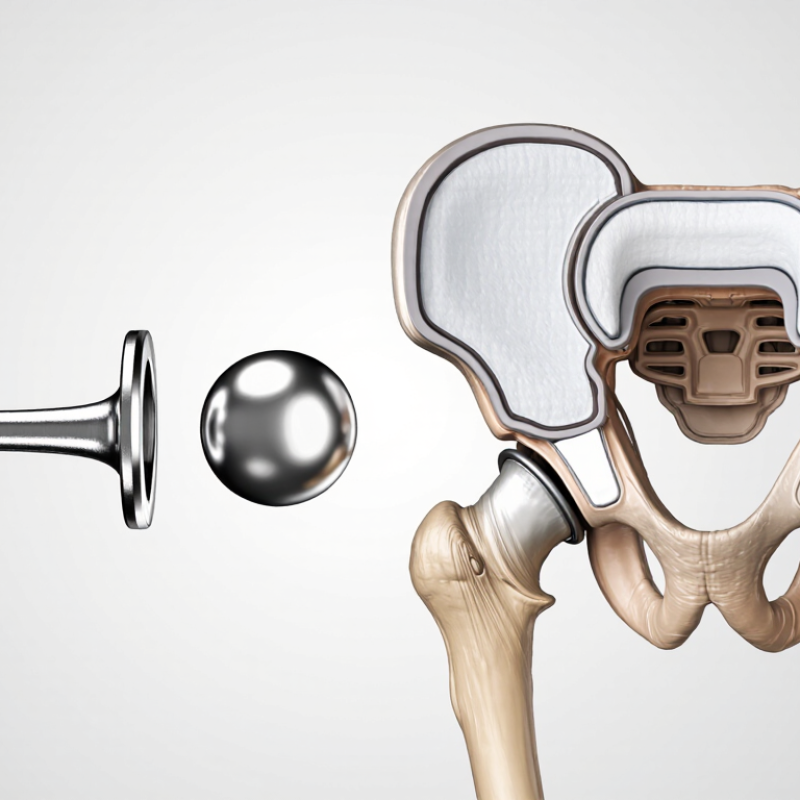
A hip replacement system is a coordinated set of implants that replaces damaged parts of the hip joint. It is not a single device. The system usually includes an acetabular cup, a smooth liner, a femoral stem, and a rounded femoral head. Together, these components recreate the joint’s ball-and-socket movement. Materials may include metal, ceramic, or medical-grade polymers. The best combination depends on anatomy, bone strength, movement patterns, and surgical technique. Fixation may rely on bone cement or bone growth around a specially shaped implant. Bone quality matters.
Choosing a system requires more than comparing materials or advertised durability. During consultation, the surgeon reviews X-rays, symptoms, walking ability, age, health conditions, and previous operations. The surgeon may also assess bone density and leg alignment. Age alone should not decide the choice. Activity goals matter too. A person who enjoys gardening may need different planning from someone who plays high-impact sports. That assumption deserves careful discussion. Patients should ask about expected motion, loosening, dislocation risk, infection prevention, and revision options. They should also confirm that the selected components are approved for their intended use in the relevant jurisdiction. Evidence is not always uniform, and no system guarantees a perfect result. Careful planning still leaves room for uncertainty.
What Is a Hip Replacement System and How to Choose It?
A hip replacement system has four working parts: the acetabular shell, liner, femoral stem, and femoral head. The shell fits inside the pelvis. Its liner creates the new socket surface. The stem anchors inside the thighbone, while the head connects both sides during movement. Together, these parts must provide stability, smooth motion, and suitable load transfer.
Fixation matters. Some stems rely on bone growth, while others use surgical cement. Bearing surfaces also differ in friction, wear, and sensitivity to alignment. A registry report is useful here. The 2024 American Joint Replacement Registry report analyzed more than three million hip and knee procedures, showing why long-term tracking matters. However, registry data cannot predict every individual result.
Selection should consider bone quality, anatomy, activity, age, and surgical technique. The National Joint Registry’s 21st Annual Report recorded more than 200,000 hip procedures in one year, supporting comparison across implant designs and hospitals. Ask how a proposed system performs in patients with similar bone conditions. Ask about revision rates, not only early pain relief. Surgeon experience with the system also matters.
No system is perfect. Small differences in component position can affect comfort, stability, and wear. Even experienced surgeons face difficult anatomy. A careful decision combines imaging, clinical judgment, verified registry evidence, and the patient’s daily goals. Some details remain uncertain, and honest discussion is part of safe care.
A hip replacement system usually combines an implant stem, a ball, and a socket liner. The commonest option is total hip replacement, which replaces both damaged joint surfaces. It may suit people with advanced arthritis, fractures, or persistent pain that limits walking and sleep. Surgeons consider bone strength, age, activity level, and medical history before recommending it.
A partial hip replacement replaces the femoral head but preserves the natural socket. It is often considered after certain hip fractures, especially in older adults with lower activity demands. Hip resurfacing preserves more thigh bone by covering the femoral head instead of removing it completely. However, it requires suitable bone quality and may not fit every patient. Patient selection matters greatly.
Fixation is another important difference. Cemented implants use medical bone cement, while uncemented systems depend on bone growth around a textured surface. Some procedures use a combination of both methods. Ceramic, metal, and highly durable plastic may be used in different pairings. Each material has benefits and limitations. There is no universally best system.
A careful consultation should include implant design, expected movement, revision risks, and recovery demands. Ask how many similar procedures the surgeon performs. Ask what evidence supports the proposed choice. Surgical planning is not perfectly predictable. Personal anatomy can challenge even a well-tested plan. That uncertainty deserves honest discussion.
What Is a Hip Replacement System and How to Choose It?
Choosing the right hip replacement system begins with your anatomy, not a product brochure. A surgeon should review X-rays, bone quality, joint damage, leg length, and daily movement. Fit matters. An implant must match your hip structure and surgical plan.
Ask how the components connect and how they may perform over time. Materials can affect wear, stability, and imaging visibility. Fixation also matters. Some systems use bone cement, while others depend on bone growth for long-term support. Your age, activity level, bone strength, and previous surgery can influence this decision. A runner and a person with severe osteoporosis may need different priorities. However, activity alone should not determine the choice.
Look for evidence from clinical studies, professional guidance, and properly regulated medical devices. Ask about the surgeon’s experience with the proposed system and how often follow-up imaging is needed. Discuss possible complications, including dislocation, infection, fracture, leg-length differences, and revision surgery. Recovery plans should be realistic, with clear limits during the first weeks.
There is no universally best system. That sounds less satisfying, but it is more accurate. I would also ask what happens if the implant does not suit your anatomy as expected. My own preference would be a documented, shared decision rather than a quick recommendation. Bring a written question list. Request plain explanations. Then consider a second qualified opinion when the choice still feels unclear.
| Selection Dimension | Common Options | Key Characteristics | Potential Advantages | Important Considerations |
|---|---|---|---|---|
| Replacement Components | Total hip replacement; partial hip replacement | A total system replaces both the femoral head and the damaged acetabular surface. A partial system replaces only the femoral head. | The treatment can be matched to the location and extent of joint damage. | Partial replacement is commonly considered for selected femoral neck fractures when the acetabulum remains suitable; total replacement is often used for advanced joint disease. |
| Fixation Method | Cemented; cementless; hybrid | Cemented components use bone cement for immediate fixation. Cementless components rely on bone growth into a textured or porous surface. Hybrid systems combine both methods. | The choice can reflect bone quality, age, activity level, fracture pattern, and the surgeon’s experience. | Cementless fixation generally requires sufficient bone quality for biological fixation. Cemented fixation may be useful when bone is less dense, but the decision is patient-specific. |
| Bearing Surface | Metal-on-polyethylene; ceramic-on-polyethylene; ceramic-on-ceramic; metal-on-metal | The bearing surface is the interface between the femoral head and the acetabular liner. Polyethylene liners may be conventional or highly cross-linked. | Ceramic and modern polyethylene combinations can offer low wear in appropriate patients. Material selection can be tailored to age and activity. | Each material has specific risks, including wear, fracture, squeaking, corrosion, or adverse tissue reactions. Metal-on-metal use requires careful clinical justification and monitoring. |
| Femoral Head Size | Small, standard, or larger modular head sizes | Head diameter affects jump distance, range of motion, joint stability, and bearing mechanics. | A larger head may improve stability and reduce the risk of dislocation in selected cases. | Larger heads may increase friction or material-related wear depending on the bearing combination. The head size must match the liner and implant system. |
| Stem Design | Standard-length; short-stem; modular; cemented stem | Stem geometry, length, offset, taper, and surface finish influence alignment, fixation, leg length, and hip biomechanics. | Different designs allow the surgeon to address variations in femoral anatomy and preserve bone when clinically appropriate. | Short or bone-preserving designs are not suitable for every anatomy or bone condition. Long-term evidence and correct positioning remain important. |
| Acetabular Component | Cementless cup; cemented cup; fixed liner; modular liner | The cup is placed in the acetabulum and may use screws, press-fit fixation, cement, or a modular liner depending on the design. | Modularity can help the surgeon select liner materials, thicknesses, and orientations during reconstruction. | Cup size and position must provide stable fixation while preserving bone and maintaining appropriate hip mechanics. |
| Patient Age and Bone Quality | Younger or highly active; older or osteoporotic; fracture-related | Age alone does not determine the implant. Bone density, anatomy, diagnosis, expected activity, and overall health are also important. | A patient-specific approach may improve fixation strategy, stability, and the likelihood of durable function. | Low bone density can affect press-fit fixation and fracture risk. Treatment should be based on clinical examination and imaging. |
| Diagnosis | Osteoarthritis; inflammatory arthritis; osteonecrosis; fracture; revision surgery | The underlying condition influences bone loss, soft-tissue quality, joint stability, and the complexity of reconstruction. | Selecting a system according to the diagnosis helps address the specific structural and functional problem. | Revision procedures may require specialized components for bone defects, instability, or previous implant removal. |
| Surgical Approach and Stability | Anterior; posterior; lateral or anterolateral approach | The approach affects soft-tissue management, component positioning, rehabilitation, and dislocation precautions. | The implant system can be selected to support the surgeon’s preferred technique and the patient’s stability requirements. | No single approach is best for every patient. Surgical expertise and accurate component positioning are critical. |
| Expected Activity Level | Low-impact daily activity; recreational activity; high physical demand | Activity goals influence bearing selection, stability planning, implant durability expectations, and postoperative advice. | The system can be chosen to balance mobility, wear resistance, and stability for the patient’s lifestyle. | High-impact activities may increase stress and wear. Patients should follow individualized rehabilitation and activity guidance. |
| Regulatory and Clinical Evidence | Regulatory authorization; registry data; peer-reviewed studies; long-term follow-up | Evidence should address safety, revision rates, survivorship, complications, and performance in patients with similar characteristics. | Independent evidence supports a more informed comparison than marketing claims alone. | Ask the orthopedic surgeon about the system’s approved indication, follow-up data, and suitability for the specific diagnosis. |
| Practical Availability | Implant sizing; instrumentation; surgical support; revision compatibility | A complete system should offer appropriate sizes and instruments and be available for the planned procedure and follow-up care. | Reliable access can help the surgical team manage anatomical variation and unexpected intraoperative findings. | Availability should never outweigh clinical suitability, evidence quality, or the surgeon’s ability to use the system safely. |
Note: Hip replacement selection is individualized. The final decision should be made with a qualified orthopedic surgeon after reviewing imaging, bone quality, diagnosis, health status, activity goals, and the risks and benefits of available options.
A hip replacement system includes the implant components, fixation method, and surgical plan. The choice depends on bone quality, age, anatomy, activity, and medical history. Cemented and uncemented fixation each have appropriate uses. Surgical approach can affect muscle disruption, pain, and early mobility, but no approach guarantees faster recovery. The American Joint Replacement Registry’s 2024 report analyzed more than three million hip and knee procedures, supporting registry-based discussion rather than personal assumptions.
Recovery usually develops in stages. Many patients walk with assistance within one day, yet swelling and weakness may continue for several weeks. Physical therapy focuses on safe walking, hip strength, balance, and daily tasks. The NHS notes that complete recovery may take several months. A neat timeline can mislead. Fever, increasing wound drainage, calf swelling, chest pain, or sudden breathlessness require urgent medical assessment.
Tips: Ask how the system matches your bone quality and activity goals. Request the surgeon’s complication and revision rates, not only success stories. Discuss driving, work, exercise, and sleeping positions before surgery. Long-term care also matters. Maintain a healthy weight, protect muscle strength, and attend scheduled reviews. Registry reports show that revision risk accumulates over time, although individual outcomes vary. I would not treat any published percentage as a personal promise; implant selection is only one part of the result.
We are committed to deliver solutions and transforming the way joint replacement procedures are performed.
Looking for the
Register as