
How to Use Beet Root Juice Powder?

How to Use Beet Root Juice Powder begins with a practical question: how can this vivid red powder fit into everyday routines? Unlike bottled beetroot juice, the powder is compact, shelf-stable, and easy to measure. A teaspoon can disappear into a morning smoothie, oatmeal, or a glass of cold water. Yet “easy” does not always mean “better.”

Professor Andy Jones, a leading sports scientist at the University of Exeter, has described beetroot as “a natural source of nitrate.” His research helped bring beetroot juice into discussions about exercise nutrition and oxygen efficiency. However, results can vary between individuals. Preparation, serving size, diet, training status, and personal tolerance all matter. One person may enjoy an earthy drink before cycling. Another may dislike the taste or experience stomach discomfort.

This guide explains how to use Beet Root Juice Powder safely and realistically. It covers mixing methods, timing considerations, storage, and common mistakes. The advice focuses on ordinary food use, not dramatic promises. More powder is not automatically more effective. That assumption deserves caution.

Start small. Read the product label. Choose a product with clear testing and ingredient information. A clean glass, a level scoop, and cool water are often enough. Beetroot may temporarily color urine or stool red, which can be harmless, but unfamiliar symptoms should not be ignored. People with medical conditions, allergies, or prescribed diets should ask a qualified healthcare professional before regular use. Personal experience is useful, but it is not perfect evidence.
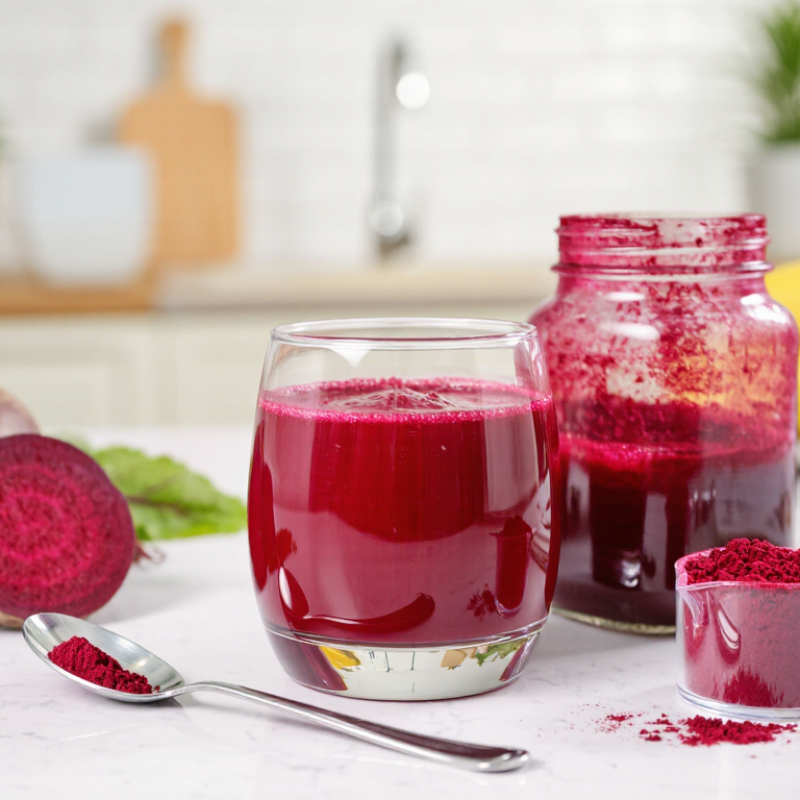
How to Use Beet Root Juice Powder?

What Is Beetroot Juice Powder and How Is It Made?

Beetroot juice powder is made from fresh beetroot juice, not simply ground dried roots. The roots are washed, trimmed, and pressed to release their deep red juice. Manufacturers usually filter the liquid to remove pulp and unwanted particles. The juice is then concentrated before drying.

Spray drying is common because it quickly turns liquid into a fine powder. Some producers use freeze-drying to better protect heat-sensitive compounds, although this method can cost more. A small amount of a drying aid may prevent sticking and improve flow. This ingredient should appear clearly on the label. Color, flavor, and nitrate levels can vary between batches.

“ I once assumed every beetroot powder worked the same way. That was too simple. Processing temperature, beetroot variety, storage, and testing methods all affect the final product. A reliable supplier should provide batch information, ingredient details, and independent quality testing. Look for powder with a natural earthy smell and no damp clumps.

To use it, mix the recommended serving into cold water, yogurt, or a smoothie. Start with a small amount if the flavor feels strong. Drink it soon after mixing. Keep the container sealed, dry, and away from direct sunlight. People taking regular medication or managing a health condition should ask a qualified healthcare professional before using concentrated beetroot products.

How to Choose the Right Beetroot Juice Powder

How to Use Beet Root Juice Powder?

How to Choose the Right Beetroot Juice Powder

Choosing beetroot juice powder starts with the ingredient label. Look for beetroot listed as the main ingredient, not a long blend of sweeteners and fillers. If your goal involves dietary nitrates, check whether the nitrate amount is clearly stated. Many products mention beetroot but provide no useful measurement. That missing detail matters.

Consider how the powder was processed and tested. A reliable supplier should provide batch information, production dates, and independent testing for microbes, heavy metals, and contaminants. Good packaging should block moisture and light. A resealable pouch or airtight container helps prevent clumping. Check the serving size carefully. Two powders may look similar but contain very different amounts.

Taste and texture also reveal practical differences. A small amount should dissolve reasonably well in cool water, although some sediment is normal. Strong earthy flavor is not automatically a quality problem. Added sugar can hide it, but it may not suit your diet. A bright red color can look convincing, yet color alone proves little. It is easy to overvalue appearance.

People with low blood pressure, kidney concerns, or regular medication use should ask a qualified health professional before using concentrated beetroot products. Start with the label’s serving suggestion, rather than copying someone else’s routine. I would also record how the powder feels and tastes over several uses. One serving can mislead. Consistent use gives better information.

How to Use Beet Root Juice Powder? - How to Choose the Right Beetroot Juice Powder

Evaluation Dimension What to Look For Why It Matters Practical Guidance
Ingredient Form Pure beetroot juice powder or a blend with clearly listed ingredients A simple ingredient list makes it easier to assess allergens, additives, and the intended use. Choose pure powder for recipe flexibility; choose a blend only when the additional ingredients are clearly identified and suitable for you.
Nitrate Information A stated nitrate amount or a transparent explanation of nitrate testing Beetroot naturally contains nitrate, but the amount can vary by growing conditions, processing, and batch. If nitrate intake is important to you, compare products using declared laboratory-tested values rather than powder weight alone.
Serving Size A clearly stated serving measured in grams, scoops, or teaspoons Powder density differs, so a teaspoon is not always equivalent to the same weight across products. Use the supplied serving instructions and a kitchen scale when accurate measurement is needed. Do not exceed the label directions.
Solubility Fine powder with instructions for mixing in water or other liquids Beetroot powder may settle or form lumps because it contains naturally occurring plant solids. Mix with a small amount of liquid first, stir or shake thoroughly, then add the remaining liquid. Use immediately after mixing.
Flavor and Color Natural earthy flavor and a deep red or purple color Color and flavor can differ depending on beet variety and processing. Add it to smoothies, yogurt, oatmeal, or juice. Citrus, berries, and ginger can help balance the earthy taste.
Additives and Sweeteners A label that identifies sugars, artificial sweeteners, flavors, colors, and anti-caking agents Added ingredients can affect calories, taste, dietary suitability, and potential sensitivities. Select an unsweetened product when you want to control sweetness or use the powder in savory recipes.
Quality Testing Batch or third-party testing information for identity, contaminants, and quality Testing can provide useful information about product consistency and contaminant control. Look for accessible test information and a lot number that links the product to its documentation.
Packaging and Storage Resealable, moisture-resistant packaging with an expiration or best-before date Moisture, heat, light, and air can reduce freshness and cause powder to clump. Keep the container tightly closed in a cool, dry place and use a clean, dry spoon.
Dietary Compatibility Allergen statements and suitability for vegan, gluten-free, or other dietary requirements Manufacturing practices and added ingredients may affect dietary suitability. Check the full label and allergen statement, especially if you have a food allergy or intolerance.
Timing of Use Instructions that match your intended purpose, such as daily nutrition or pre-exercise use Beetroot products are used in different ways, and product labels may provide different timing recommendations. For exercise-related use, follow the product directions and test your tolerance during normal training rather than for the first time before an important event.
Safety Considerations Clear cautions and directions for people with relevant medical conditions or medication use Beetroot products may not be appropriate for everyone, particularly people advised to limit dietary nitrate or those with specific kidney, blood-pressure, or medication concerns. Consult a qualified healthcare professional if you are pregnant, have a medical condition, or take medicines that affect blood pressure or circulation.
Best Mixing Options Water, smoothies, yogurt, oatmeal, soups, or baked recipes The powder can add beet flavor and color to both drinks and foods. Avoid very high heat when possible if you want to preserve the fresh flavor and color; follow recipe requirements for cooked dishes.

Note: Beetroot powder can temporarily turn urine or stools pink or red. This is commonly known as beeturia, but persistent or concerning changes should be discussed with a healthcare professional.

How to Mix and Take Beetroot Juice Powder

Beetroot juice powder is easy to mix, but the texture can surprise you. Start with the serving size listed on the package. Add the powder to 200–250 millilitres of cold water. Stir briskly for 20–30 seconds. A shaker bottle can reduce small clumps. The powder may settle quickly, so drink it soon after mixing.

Some people prefer a smoother taste with apple juice, lemon water, or a fruit smoothie. Use a clean glass, since beetroot can leave noticeable red stains. Take it with food if the earthy flavour feels too strong. I often find that colder liquids taste fresher. However, personal preference matters more than a perfect recipe. Try less powder at first.

Drink enough water during the day. Do not exceed the package directions, especially when using concentrated products. Beetroot contains naturally occurring nitrates, which may influence blood vessel function and exercise performance. Evidence varies by product and person, so avoid treating the powder as medicine. People with low blood pressure, kidney concerns, or prescribed medicines should ask a healthcare professional before regular use. It may also turn urine or stool pinkish-red. That can be harmless, but unexpected changes deserve medical advice. Timing is worth testing; some users take it before exercise, while others prefer breakfast. Keep brief notes on taste, digestion, and how you feel.

How to Adjust Serving Size and Usage Frequency

Beetroot juice powder is easy to use, but serving size should not be treated as one-size-fits-all. Check the product label and use its suggested serving as your reference point. If you are new to beetroot powder, begin with half a serving mixed into water. This gentler approach may help you notice digestive discomfort, changes in urine color, or an unusual response to the taste. Keep a simple note of the amount, time, and how you feel.

Usage frequency matters as much as serving size. Many adults can start with one serving every other day for a week. If that feels comfortable, they may increase to one serving daily, depending on the label instructions. Some people take it before exercise, while others prefer it with breakfast. Timing is personal. Do not automatically increase the amount because you want faster results. More is not always better.

Mix the powder thoroughly in cool water, and drink it soon after preparation. Avoid combining several concentrated supplements without professional advice. Beetroot naturally contains nitrates, which may influence blood pressure in some people. Anyone taking blood-pressure medicine, or living with kidney problems, should ask a qualified healthcare professional before use. Pregnancy, breastfeeding, and ongoing medical treatment also require extra caution. A common mistake is changing serving size and frequency at the same time. Adjust only one factor, then observe for several days. Even this method is not perfect, because sleep, hydration, diet, and exercise can affect how you feel.

Safety Tips, Possible Effects, and Storage Guidelines

Beetroot juice powder is concentrated, so measure it carefully rather than treating it like ordinary juice. Mix the recommended serving with water, preferably in a glass you do not mind staining. The Australian Institute of Sport notes that nitrate protocols often provide about 6–8 mmol of nitrate, taken two to three hours before exercise. However, powder strength varies widely. Check the nutrition panel or independent test data when available. More is not automatically better.

Possible effects include temporary red urine, pink stools, stomach discomfort, and a modest blood-pressure reduction. Beeturia can look alarming, but it is usually harmless. People using blood-pressure medicine should ask a qualified clinician before regular use. Caution also makes sense with kidney disease or a history of oxalate stones. The European Food Safety Authority lists an acceptable daily intake of 3.7 mg nitrate per kilogram of body weight, although this figure covers total dietary nitrate. Evidence on performance is promising, not universal. Individual response can be inconsistent.

Store the powder in its original sealed container, away from steam, sunlight, and heat. A dry kitchen cupboard works better than a bathroom shelf. Close the lid immediately after scooping. Moisture may cause hard clumps and reduce handling accuracy. Do not use a wet spoon. Record the opening date, and follow the stated expiry guidance. If the powder smells sour, changes colour sharply, or shows visible mould, discard it. I would not rely on taste alone; some changes are easy to miss.

Zer0 Product Recalls

Why Shalby MedTech

We are committed to deliver solutions and transforming the way joint replacement procedures are performed.

Reliability
Integrity
Teamwork