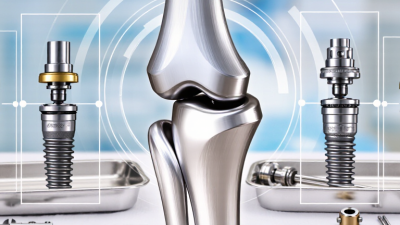
The global knee replacement market is expanding as aging populations, osteoarthritis, and improved surgical techniques increase demand. Fortune Business Insights and Grand View Research both report sustained growth in knee implant revenues, although their estimates differ by market definition and methodology. That difference matters.
This guide examines leading knee system manufacturers and suppliers, including Zimmer Biomet, Stryker, DePuy Synthes, Smith+Nephew, Medacta, and Consensus Orthopedics. It also considers the Consensus Knee System within a practical procurement context. Product selection involves more than brand recognition. Hospitals must review implant geometry, fixation options, instrumentation, robotic compatibility, surgeon training, inventory support, and published clinical evidence.
The American Academy of Orthopaedic Surgeons emphasizes evidence-based decision-making for knee arthroplasty. The U.S. Food and Drug Administration also requires manufacturers to meet applicable safety and performance standards before marketing authorized devices. These safeguards support a more reliable comparison, but they do not eliminate every uncertainty. Long-term outcomes can vary with patient anatomy, surgical technique, rehabilitation, and follow-up quality.
Suppliers differ in distribution strength, technical service, and regional availability. A detailed review should therefore compare regulatory status, revision data, warranty policies, and supply continuity. Reports from IQVIA and OECD further show how healthcare spending and demographic shifts influence orthopedic purchasing decisions. Some market forecasts may appear overly confident. Real-world hospital data can tell a different story. This overview aims to connect reported market trends with the practical details surgeons, procurement teams, and patients must evaluate.
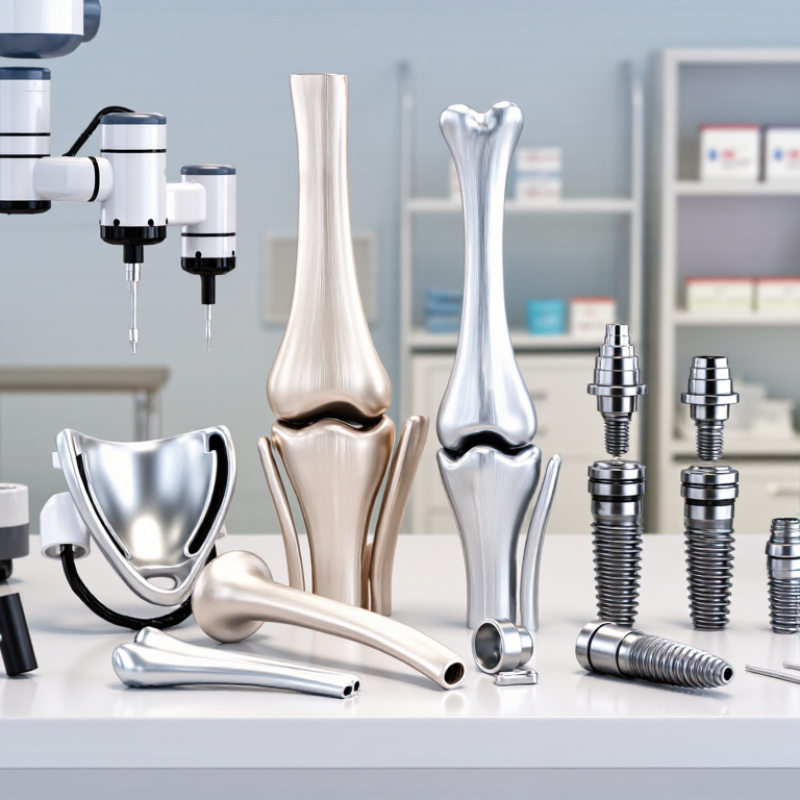
Knee systems differ by anatomy, fixation, constraint, and surgical objective. Total knee arthroplasty replaces the femoral, tibial, and patellar surfaces. It suits advanced, multicompartment osteoarthritis with persistent pain and functional loss. The American Joint Replacement Registry’s 2024 Annual Report identifies total knee arthroplasty as one of the most frequently tracked joint procedures in the United States. Patient selection still matters more than volume.
Partial knee systems preserve healthy compartments and the anterior cruciate ligament when disease remains localized. They may support faster movement, but alignment errors can affect outcomes. Unicompartmental implants need intact ligaments, stable knees, and reliable imaging. Bicompartmental designs treat two damaged compartments while preserving more native anatomy. Evidence is promising, yet long-term comparative data remain less extensive. This is where clinical judgment becomes imperfect.
Revision systems address loosening, infection-related bone loss, instability, or fractured components. They often use stems, augments, cones, and greater constraint to restore stability. The National Joint Registry’s 21st Annual Report (2024) emphasizes the importance of monitoring revision risk and implant survivorship over time. Cemented, cementless, and hybrid fixation each have practical indications. The choice depends on bone quality, age, activity, and surgeon experience. Market reports from Grand View Research also show continued growth in knee replacement demand, driven by aging populations and obesity. However, demand alone should never dictate system selection. A careful supplier evaluation should examine clinical evidence, instrument reliability, training, traceability, and independent registry performance.
Choosing a knee system supplier requires more than a polished product catalogue. Clinical evidence should lead the evaluation.
The Australian Orthopaedic Association National Joint Replacement Registry 2024 report shows that long-term revision risk varies by patient age, fixation method, diagnosis, and implant design. Therefore, manufacturers should provide transparent, risk-adjusted outcomes rather than only favorable percentages. Ask for ten-year survival data, cohort size, follow-up completeness, and independent registry verification.
ISO 13485 certification supports a controlled quality-management system, but certification alone does not prove dependable clinical performance. Buyers should review material traceability, sterilization validation, complaint trends, and corrective-action records. The U.S. FDA’s device reporting data also demonstrates why post-market surveillance matters; adverse-event reporting can reveal issues that premarket testing misses.
Small details matter. Check lot control and packaging integrity.
Evaluate surgeon training, instrument availability, revision support, digital planning, and delivery performance. The World Health Organization estimates that musculoskeletal conditions affect about 1.71 billion people worldwide, increasing pressure on orthopedic capacity. A supplier must support consistent care at scale.
However, volume can hide weakness. A large database may contain incomplete follow-up or uneven patient selection. No scorecard is perfect. Procurement teams should combine registry evidence, audited quality data, peer-reviewed studies, and local surgeon experience before making a decision.
Top Consensus Knee System Manufacturers and Suppliers
Leading knee system manufacturers focus on predictable alignment, stable fixation, and controlled movement. Their product features often include modular components, multiple implant sizes, and adjustable alignment options. These details help surgeons adapt the system to different bone shapes and surgical approaches.
Experienced suppliers also provide instrument trays, sizing guides, and technical training. Reliable manufacturers maintain clear material records and consistent quality checks. Common materials may include cobalt-chromium alloys, titanium, and advanced polymer bearings. Each material affects wear resistance, strength, and long-term performance. Surgeons should review clinical evidence, sterilization procedures, and post-market reporting before selecting a system. A polished brochure is not enough. No system fits every patient perfectly.
Tips: Compare component geometry, fixation methods, and available sizes. Ask whether instruments support efficient workflow in the operating room. Check training quality and technical response times. Review evidence from comparable patient groups, not isolated success stories. Consider bone quality, activity level, and revision planning. Small design differences can affect balancing and soft-tissue handling. Procurement teams should also confirm documentation, traceability, and supply continuity. It is easy to overlook these practical details.
| System Category | Typical Clinical Use | Common Implant Materials | Fixation Options | Bearing Design | Key Product Features | Typical Instrumentation | Important Selection Considerations |
|---|---|---|---|---|---|---|---|
| Primary Total Knee System | End-stage osteoarthritis, rheumatoid arthritis, post-traumatic arthritis, and severe pain with functional limitation | Cobalt-chromium or titanium alloy femoral component; titanium alloy or cobalt-chromium tibial tray; ultra-high-molecular-weight polyethylene insert | Cemented, cementless, or hybrid fixation | Fixed-bearing or mobile-bearing polyethylene insert | Modular components, multiple implant sizes, interchangeable polyethylene inserts, and compatibility with standard total knee workflows | Bone-cutting guides, femoral and tibial trials, alignment guides, trial inserts, and impaction instruments | Bone quality, ligament balance, component sizing, alignment philosophy, polyethylene thickness, and availability of compatible revision components |
| Cruciate-Retaining Knee System | Primary replacement when the posterior cruciate ligament is functional and can be preserved | Metal femoral and tibial components with a polyethylene tibial insert | Usually cemented; cementless versions are also available in some product lines | Fixed-bearing or mobile-bearing | Preserves the posterior cruciate ligament, supports a relatively conservative femoral box design, and may provide a more natural flexion pattern in suitable patients | Posterior-cruciate-retaining femoral trials, tibial preparation guides, balancing blocks, and insert trials | Posterior cruciate ligament integrity, flexion-extension balance, posterior tibial slope, and intraoperative stability |
| Posterior-Stabilized Knee System | Primary replacement when the posterior cruciate ligament is insufficient, sacrificed, or unsuitable for preservation | Metal femoral and tibial components with a polyethylene insert containing a cam-post mechanism | Cemented or cementless, depending on the system and patient factors | Usually fixed-bearing; some designs offer mobile-bearing alternatives | Cam-post geometry substitutes for posterior cruciate ligament function and assists femoral rollback during flexion | Femoral box-cutting guide, posterior-stabilized trials, tibial preparation instruments, and insert trialing tools | Femoral bone preservation, post-cam wear, patellar tracking, range of motion, and risk of instability or impingement |
| Ultra-Congruent Knee System | Primary replacement in selected cases where additional anterior-posterior stability is desired without a traditional femoral box | Metal femoral and tibial components with a highly conforming polyethylene insert | Cemented or cementless | Highly congruent fixed-bearing or mobile-bearing insert | Increased insert conformity can improve anterior-posterior stability while avoiding a standard posterior-stabilized box preparation | Conforming insert trials, balancing instruments, standard femoral and tibial preparation tools | Insert conformity, rotational freedom, joint-line position, soft-tissue balance, and compatibility with the selected femoral component |
| Medial-Pivot Knee System | Primary replacement designed to reproduce a more constrained medial compartment and controlled lateral compartment motion | Metal femoral and tibial components with an engineered polyethylene insert | Cemented or cementless | Usually fixed-bearing with asymmetric compartment geometry | Medial compartment conformity is intended to support stability during flexion while allowing guided lateral compartment motion | Dedicated femoral and tibial trials, balancing blocks, alignment guides, and specialized insert trials | Patient anatomy, ligament balance, rotational alignment, kinematic goals, and surgeon familiarity with the design philosophy |
| Unicompartmental Knee System | Isolated disease affecting one knee compartment with preserved opposing compartments and suitable ligament function | Metal femoral component, metal tibial tray or metal-backed component, and polyethylene bearing | Cemented or cementless | Fixed-bearing or mobile-bearing | Resurfaces only the diseased compartment, preserves more bone, and generally uses a smaller surgical exposure than total knee replacement | Compartment-specific cutting guides, spacer blocks, femoral sizing tools, tibial trials, and bearing trials | Compartment status, ligament competence, limb alignment, disease progression, bearing mobility, and surgical indications |
| Patellofemoral Knee System | Isolated patellofemoral arthritis without significant tibiofemoral disease | Metal trochlear component with an ultra-high-molecular-weight polyethylene patellar component | Most commonly cemented; fixation depends on the design and bone quality | Patellar component articulating with the trochlear component | Resurfaces the patellofemoral articulation while retaining the tibiofemoral compartments | Trochlear preparation guides, patellar resection guides, sizing trials, and tracking assessment instruments | Extent of tibiofemoral disease, patellar tracking, trochlear anatomy, alignment, and risk of disease progression |
| Revision Knee System | Aseptic loosening, instability, infection-related reconstruction, bone loss, periprosthetic fracture, or failed primary arthroplasty | Cobalt-chromium or titanium alloy components, modular augments, stems, cones, sleeves, and polyethylene inserts | Cemented, cementless, hybrid, or combined fixation | Constrained condylar, posterior-stabilized, rotating-hinge, or other linked designs | Modular stems, augments, cones or sleeves, offset options, constraint levels, and solutions for different degrees of bone loss | Revision extraction tools, flexible reamers, stem trials, augment trials, cones or sleeves, constraint trials, and trial reduction instruments | Bone-loss classification, ligament competence, infection status, fixation strategy, constraint level, and restoration of joint line and limb alignment |
| Patient-Specific or Robot-Assisted Compatible System | Primary or revision procedures where computer-assisted planning and intraoperative alignment support are used | Materials are generally the same as conventional systems: cobalt-chromium, titanium alloy, and polyethylene | Cemented, cementless, or hybrid fixation | Fixed-bearing, mobile-bearing, or constraint-specific designs | Digital planning, image-based or imageless navigation, robotic bone preparation, and intraoperative assessment of alignment and balance | Optical trackers, navigation arrays, registration tools, robotic cutting instruments, saw guides, and digital planning software | System compatibility, registration accuracy, workflow requirements, software validation, surgeon training, and availability of backup instruments |
Product specifications vary by manufacturer and regulatory market. Final system selection should be based on approved labeling, patient anatomy, bone quality, ligament status, surgical technique, and the treating surgeon’s clinical judgment.
Major knee system suppliers rely on layered distribution networks to reach hospitals, orthopedic clinics, and authorized surgical centers. Manufacturers typically work with regional distributors, clinical specialists, and hospital procurement teams. Each partner supports a different stage, from inventory planning to operating-room delivery. Reliable suppliers document product specifications, batch details, storage conditions, and delivery records. These details matter when a surgical schedule changes unexpectedly.
A strong network keeps commonly requested components near major treatment centers. Regional warehouses can shorten delivery times and reduce transport risks. Technical representatives may also provide fitting guidance, instrument checks, and staff training. However, availability is not always consistent. Smaller facilities may face longer lead times, limited local stock, or unclear replacement procedures. Buyers should review service agreements carefully and verify communication channels before approving a supplier.
Tips: Ask for current inventory data and realistic lead times. Check whether the distributor supports urgent orders and returns. Request training records for clinical support staff. Compare warranty terms, documentation quality, and escalation procedures. Do not judge a supplier only by price. A lower quote may exclude instrument support or dependable after-sales service. One practical improvement is to test the network with a small, controlled order before expanding procurement.
When buyers compare knee system manufacturers and suppliers, regulatory evidence should come before polished presentations. Ask for current certificates, device registrations, and a clear traceability process. Verify that documents match the exact implant, instrument set, and manufacturing site. Requirements differ across markets, so local regulatory review remains essential. A supplier should explain adverse-event reporting, field corrections, and complaint response times. Vague answers are warning signs. Keep records.
Quality assessment should reach the factory floor. Request details about material controls, sterilization validation, packaging integrity, and lot-release testing. During an audit, inspect labeling, storage conditions, calibration records, and training logs. Ask how nonconforming components are isolated. Small gaps can reveal larger weaknesses. Yet no audit is perfect. Buyers should compare repeated evidence, rather than trust one impressive visit. Feedback from experienced surgeons can add practical context, especially about instrument handling and revision support.
Service quality often determines whether a technically strong system succeeds in practice. Confirm surgeon education, operating-room support, inventory planning, and response coverage after installation. Ask who answers at 2 a.m. when a required instrument is missing. Written service levels help, but actual staffing matters more. Review lead times, replacement procedures, and communication during shortages. Avoid choosing on price alone. The cheapest contract may create costly delays. Reassess the supplier annually, because performance can drift after approval.
This buyer-oriented comparison highlights the main compliance frameworks commonly reviewed when sourcing knee systems. A value of 1 indicates that the framework is typically relevant to the market or procurement process; 0 indicates that it is not universally applicable.
ISO 13485 supports medical-device quality management, ISO 14971 addresses risk management, ISO 10993 covers biological evaluation, and market-specific pathways such as FDA 510(k), EU MDR conformity assessment, and unique device identification may be required depending on the destination market.
We are committed to deliver solutions and transforming the way joint replacement procedures are performed.
Looking for the
Register as