Why Is Total Knee Replacement Care Essential for a Successful Recovery?

Expert insight highlights the significance of Total Knee Replacement care for recovery. Dr. Sarah Thompson, an orthopedic surgeon, states, "Effective care post-surgery can make all the difference." Her perspective underscores an essential truth: the journey to recovery includes more than just the surgical procedure.

Total knee replacement surgery alleviates debilitating pain. However, the path to healing is complex. Total knee replacement care involves pain management, physical therapy, and regular follow-ups. Each component is crucial. Patients must engage actively in their recovery process. A lack of attention can lead to complications.

Inconsistent care may result in slower rehabilitation. It is vital for patients to follow their care plans diligently. This ensures a stronger recovery and improved mobility. Quality of care directly influences outcomes. When patients prioritize their recovery, they are more likely to regain their pre-surgery lifestyle. Therefore, Total Knee Replacement care cannot be overlooked. It lays the groundwork for long-term success and well-being.

Why Is Total Knee Replacement Care Essential for a Successful Recovery?

The Importance of Preoperative Assessment for Knee Replacement Surgery

Preoperative assessment is crucial for those undergoing total knee replacement surgery. A thorough evaluation helps identify potential risks. This process includes physical examinations, imaging tests, and discussions about patient history. Understanding your unique situation allows the medical team to tailor the surgery effectively.


Tips: Stay informed about your health conditions. Discuss any medications you’re taking. Be honest about your pain levels and mobility issues.


Preoperative assessment also sets realistic expectations. Patients often underestimate recovery times. Having open conversations with healthcare providers can help. This understanding promotes mental readiness for the surgery. Knowing what to expect can reduce anxiety.


Tips: Create a list of questions for your doctor. Consider attending patient education classes. Engage with others who have undergone similar experiences.
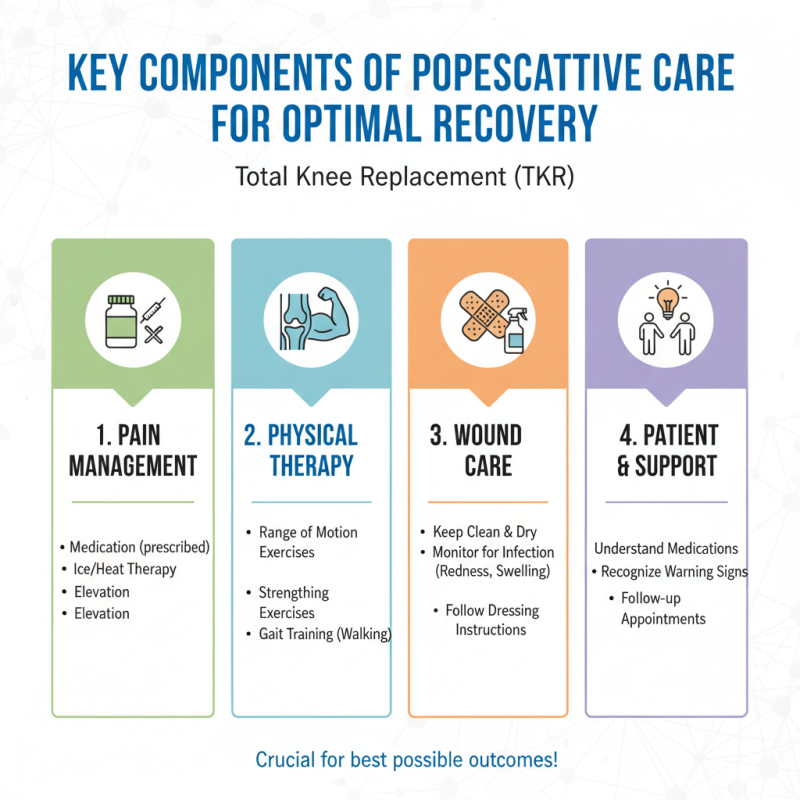
Key Components of Postoperative Care for Optimal Recovery

Why Is Total Knee Replacement Care Essential for a Successful Recovery?

Total knee replacement (TKR) can lead to significant pain relief and improved mobility. However, the path to recovery involves careful attention to postoperative care. Effective management in this phase is crucial for ensuring the best possible outcomes.

Physical therapy is central to recovery. Patients often struggle with pain and stiffness. Engaging in recommended exercises helps restore mobility and strength. It's vital to listen to your body. Pushing too hard can lead to setbacks. Aim for small, gradual improvements instead of trying to rush the process.

Nutrition plays a key role in healing. A balanced diet supports recovery and helps fight inflammation. Consider including foods rich in vitamins and antioxidants. Staying hydrated is equally important. It aids in overall recovery and keeps energy levels stable. Remember, every individual is unique; adapt guidance to what feels right for you.

Don’t overlook rest. Quality sleep can promote healing. It may be difficult at first, but finding a comfortable sleep position is essential. If pain disrupts sleep, communicate with your healthcare provider. They may adjust your pain management plan to support better rests. Reflecting on what works best can enhance your recovery journey.

Rehabilitation Exercises: Enhancing Mobility After Knee Replacement

Rehabilitation exercises play a crucial role in enhancing mobility after knee replacement surgery. A study from the American Academy of Orthopaedic Surgeons highlights that patients who engage in structured rehabilitation can regain about 80% of their pre-surgery mobility within six months. This contrasts with those who do not participate in a guided exercise program, often experiencing slower recovery and more complications.

Targeted exercises focus on strengthening muscles around the knee. These exercises can include gentle stretches, leg lifts, and cycling on a stationary bike. According to the Journal of Orthopaedic Research, consistent and progressive engagement in rehabilitation exercises can lead to a 30% improvement in joint function after total knee replacement. Yet, it's not always easy. Patients may face challenges with pain, fatigue, and motivation.

Reflection on the recovery journey is vital. Some individuals might underestimate the importance of persistent physical activity. It can be daunting. Recovery is unique for everyone, and setbacks are common. Establishing a realistic and sustainable exercise routine is essential. A multi-disciplinary approach, including physical therapy, can aid in navigating these challenges effectively. Understanding that progress may take time helps foster a positive mindset throughout rehabilitation.

Managing Pain and Complications During Recovery Process

Total knee replacement is a significant procedure aimed at relieving pain and restoring mobility. However, the recovery process can be challenging. Managing pain effectively is crucial during this time. Patients often experience various levels of discomfort. It’s essential to communicate openly with healthcare providers about pain levels. This helps ensure that pain management strategies can be adjusted as needed.

Complications can arise during recovery, affecting overall outcomes. Swelling, stiffness, and sometimes infections are potential issues. Regular physical therapy is vital. It promotes healing and helps regain strength. Patients should be encouraged to perform exercises as prescribed. It may not always be easy, and there could be moments of frustration. Yet, persistence is key. Each small step forward contributes to the larger goal of recovery.

Monitoring the surgical site is also crucial. Any increase in redness, warmth, or unusual drainage should be reported. Addressing these symptoms early on can prevent serious complications. Being proactive in understanding these risks enables patients to participate actively in their recovery journey. Pain management and complication awareness can significantly enhance the overall recovery experience.

The Role of Patient Education in Successful Knee Replacement Outcomes

When patients undergo total knee replacement, education is crucial. Knowledge empowers individuals to manage their recovery effectively. Data from the American Academy of Orthopaedic Surgeons shows that well-informed patients have a 30% lower risk of postoperative complications. These patients engage more actively in their rehab process.

Understanding the surgery and recovery timeline helps set realistic expectations. Patients should know about pain management, physical therapy, and activity restrictions. Engaging with educational materials—like pamphlets or videos—can significantly enhance understanding. One study found that patients who participated in preoperative educational sessions reported 50% less anxiety.

Tips: Set achievable goals for your recovery. Focus on small, daily activities to boost confidence. Don't hesitate to ask your medical team questions. Engaging with your healthcare providers fosters a better recovery environment. Clear communication leads to improved outcomes. Reflect on your progress regularly, and adjust your goals as needed. Recovery takes time and patience.

Zer0 Product Recalls

Why Shalby MedTech

We are committed to deliver solutions and transforming the way joint replacement procedures are performed.

Reliability
Integrity
Teamwork