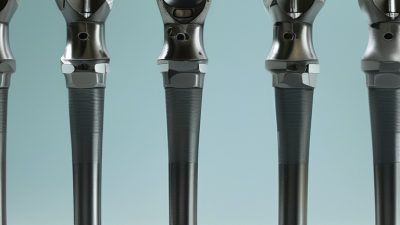
Why Choose the Tahoe Unicondylar Knee System? The answer begins with careful patient selection, not a product name. When arthritis affects only one knee compartment, a unicondylar approach may preserve healthier bone, cartilage, and ligament function. That possibility matters to active patients who want practical movement after surgery.
The Tahoe Unicondylar Knee System is designed for compartment-focused knee replacement procedures. Its role should be assessed through clinical examination, weight-bearing imaging, alignment evaluation, and patient expectations. Surgeons may consider implant geometry, fixation options, instrumentation, and surgical workflow. Small details matter, such as accurate bone preparation and stable balancing during flexion and extension. Good planning comes first.
No implant is perfect. Outcomes vary.
Experienced orthopedic teams should review the system’s instructions for use, regulatory status, published evidence, and training requirements before adoption. Patients should ask how the device fits their anatomy, what recovery may involve, and which alternatives remain reasonable. A convincing choice is not based on marketing language alone. It rests on transparent evidence, surgeon expertise, and a realistic discussion of risks and benefits. The Tahoe Unicondylar Knee System may offer a focused option for suitable cases, but suitability must be individualized. That honest limitation deserves attention.
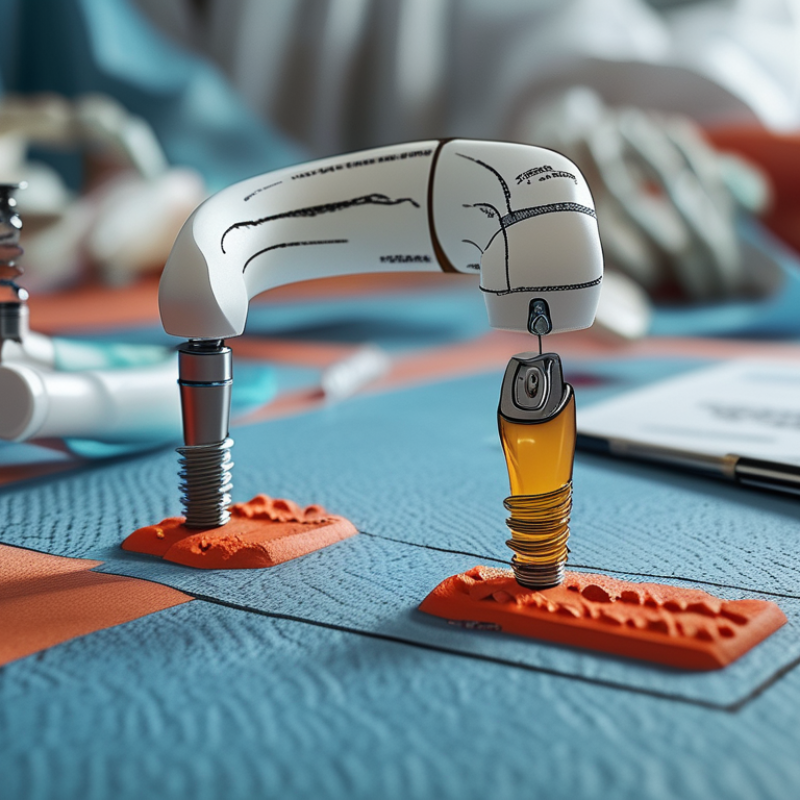
A unicondylar knee system is a partial knee replacement designed for damage limited to one compartment of the knee. Instead of replacing the entire joint, it resurfaces the worn bone and cartilage on one side. The implant usually includes metal components and a durable plastic bearing. Together, they recreate smoother movement between the thighbone and shinbone.
This approach can preserve more healthy bone, cartilage, and natural knee structures than total knee replacement. It may also support a more natural feeling during everyday movements, such as climbing stairs or standing from a chair. However, patient selection matters greatly. A surgeon must assess X-rays, ligament stability, alignment, pain location, activity level, and the condition of the remaining compartments. A small area of damage does not automatically make someone a suitable candidate.
In clinical practice, careful planning affects the result. Imaging helps determine the implant size and position. Surgical technique matters too. Recovery often includes guided exercises, walking practice, and gradual strength training. It is not an instant fix. Some patients still experience stiffness, swelling, or discomfort while healing. Results can also differ because knees, lifestyles, and expectations are never identical. A thoughtful consultation is essential before choosing this partial replacement option.
Why Choose a Unicondylar Knee System?
Partial knee replacement supports patients whose osteoarthritis remains limited to one knee compartment. The Lancet’s Global Burden of Disease analysis estimated 595 million people had osteoarthritis worldwide in 2020. Many experience localized pain, stiffness, and difficulty climbing stairs. A unicondylar system resurfaces only the damaged compartment. It preserves healthier bone, cartilage, and ligaments. That distinction can support more natural knee movement.
The system uses compartment-specific components and instrumentation to guide accurate bone preparation. Surgeons can assess alignment, implant fit, and ligament balance during the procedure. These details matter when a patient bends the knee, turns, or walks across uneven ground. A BMJ systematic review of 12 randomized trials, involving 1,643 participants, reported similar pain and functional outcomes between partial and total replacement. Partial replacement also showed shorter hospital stays, although revision surgery occurred more often in some studies.
Not every knee qualifies. Careful imaging and clinical examination remain essential. Active inflammation, extensive damage, or unstable ligaments may change the surgical plan. National Joint Registry reports also show that revision risk varies with age, diagnosis, surgical experience, and implant choice. The technology helps, but it cannot replace judgment. Even small alignment errors can affect load distribution. That is where this system may support consistency, though the evidence is not perfectly uniform and long-term results still deserve continued review.
Why Choose a Unicondylar Knee System?
Which Patients May Be Candidates for a Unicondylar Knee System?
A unicondylar knee system may suit adults with osteoarthritis limited to one knee compartment. Candidates often have persistent, localized pain, preserved ligament function, and a correctable deformity. Their lateral compartment should remain relatively healthy. The patellofemoral joint also needs careful assessment. Imaging alone is not enough. Physical examination, activity goals, alignment, and symptom location matter.
The National Joint Registry’s 21st Annual Report shows higher long-term revision rates for unicompartmental procedures than total knee replacements. However, selected patients may experience more natural knee movement and faster early recovery. The American Joint Replacement Registry’s 2024 Annual Report includes more than three million hip and knee procedures. Its scale supports the value of registry-based monitoring, but population data cannot replace individual assessment. Borderline cases remain difficult.
Tips
Ask whether pain is truly confined to one compartment. Review standing, weight-bearing radiographs with your surgeon. Discuss ligament stability and realistic activity goals. Previous surgery, inflammatory arthritis, severe stiffness, or widespread cartilage loss may reduce suitability. No checklist is perfect. A second clinical opinion can expose overlooked details, especially when symptoms and scans disagree.
Why Choose a Unicondylar Knee System?
How Surgeons Plan and Perform Unicondylar Knee Implantation
Unicondylar knee implantation begins with careful patient selection, not the instrument tray. Surgeons review pain location, ligament stability, alignment, and imaging findings. The procedure suits disease limited to one knee compartment. It may preserve healthy bone and support a more natural movement pattern.
The American Academy of Orthopaedic Surgeons projects nearly 3.48 million primary knee replacements annually by 2030. This pressure makes efficient planning increasingly important. However, volume should never replace judgement. Surgeons use standing radiographs, magnetic resonance imaging when needed, and precise templating to estimate component size. During surgery, small adjustments matter. A trial component can reveal unwanted tension, instability, or excessive bone removal. The fit may look acceptable, yet feel wrong.
Tips: Confirm the disease pattern before choosing a partial implant. Check ligament function carefully. Use calibrated imaging and verify alignment during surgery. Record implant size, fixation method, and intraoperative findings. These details support follow-up care and clinical audit.
The National Joint Registry reports more than one million recorded hip and knee procedures in its recent reporting history. Its data also highlights the value of monitoring revision outcomes. Surgeons should discuss activity expectations, possible progression of arthritis, and rehabilitation demands. Patient understanding is part of technical success. No plan is perfect. A second review can expose assumptions hidden in the first plan.
This chart summarizes commonly referenced radiographic planning targets for medial unicondylar knee arthroplasty. Surgeons use these parameters alongside ligament stability, cartilage status, bone quality, and patient-specific anatomy when planning implantation.
A unicondylar knee system replaces only the damaged compartment of the knee. This focused approach may preserve more healthy bone, cartilage, and natural ligament function. Patients may experience less surgical disruption, reduced blood loss, and a quicker return to daily activities. Clinical evidence suggests that carefully selected patients can achieve reliable pain relief and natural-feeling movement.
Selection is critical. The best candidates usually have arthritis limited to one compartment, stable ligaments, acceptable alignment, and manageable activity demands. An experienced orthopedic team should review weight-bearing X-rays, physical findings, and symptoms together. Imaging alone is not enough. A painful knee can hide problems that scans do not fully explain.
Arthritis may later develop in another compartment, reducing the implant’s long-term benefit. Loosening, wear, infection, stiffness, and persistent pain remain possible. A smaller operation does not guarantee a smaller recovery. Rehabilitation still requires patience, strength work, and realistic expectations. High-impact activity may also increase stress on the implant.
Patients with inflammatory arthritis, major deformity, ligament instability, or widespread joint damage may need a different option. Even with careful planning, outcomes vary between individuals. Discussing revision risks, recovery demands, and alternative treatments can prevent overly optimistic decisions. The most reliable choice is not always the least invasive one; it is the option that matches the knee’s actual condition.
We are committed to deliver solutions and transforming the way joint replacement procedures are performed.
Looking for the
Register as