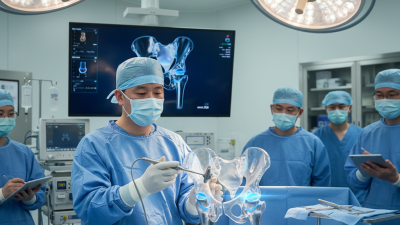
Top Surgical Technique Education Providers for Buyers?

Choosing a surgical technique education provider is a decision about learning quality, clinical workflow, and practical support—not just impressive equipment. Buyers should examine how instruction is delivered, who teaches it, and whether learners can practice safely before applying new techniques in clinical settings. Surgical technique education may include simulation, procedural videos, hands-on workshops, and digital learning tools. The right mix depends on learners’ experience, available facilities, and the procedure being taught.

Surgeon and author Atul Gawande wrote in The Checklist Manifesto, “The volume and complexity of what we know has exceeded our individual ability to deliver its benefits correctly, safely, or reliably.” His observation offers a useful lens for evaluating education: clear, structured learning can help teams manage complexity, though no single program suits every setting. Buyers should ask how providers verify instructional accuracy, update materials, and assess learner progress. They should also check whether educators have relevant clinical and teaching experience.

Look closely at the details. Can learners see the operative field clearly? Do instructors explain decision points, not only instrument movements? Are practice sessions supported by timely feedback? A polished demonstration is helpful, but it may not reveal how well a course fits a busy team’s schedule or equipment. No provider is perfect. Buyers should request a demonstration, review sample lessons, and speak with current users where possible. The strongest choice is one that matches the institution’s needs, provides credible instruction, and makes improvement measurable. Shortlist carefully. Then compare evidence, support, and total cost—not promises alone.

Top Surgical Technique Education Providers for Buyers?

Understanding Surgical Technique Education Providers

Surgical technique education providers should offer more than polished videos and completion certificates. Buyers need training that reflects real operating-room decisions, patient safety, and current clinical standards. Review the faculty’s surgical experience, teaching credentials, and involvement in peer-reviewed practice. A strong provider explains why a technique works, not only how to copy each movement. That difference matters.

Look for structured learning paths with demonstrations, supervised practice, and objective assessments. Useful details include camera angles, instrument handling, tissue-protection methods, and responses to unexpected bleeding. Simulation sessions should provide realistic models and immediate feedback.

Online lessons should load reliably and protect learner data. Clear policies should also explain faculty support, course updates, and assessment standards.

Ask for evidence before purchasing. Request sample modules, instructor qualifications, learner outcomes, and references from comparable hospitals. A provider may promise efficiency, yet offer little proof beyond testimonials. That deserves caution.

No program is perfect. Even experienced teams may find that a virtual lesson cannot replace supervised practice. Buyers should examine whether the course fits local protocols, available equipment, and the learners’ skill levels. One overlooked issue is post-course retention. Without deliberate practice, a well-taught technique can fade within weeks. Teams should schedule follow-up observation and document areas needing improvement.

Evaluating Provider Credentials and Clinical Expertise

Choosing a surgical technique education provider requires more than attractive course materials. Examine the instructors’ credentials, specialty training, and current clinical roles. Active surgeons may offer practical insight from operating rooms, not only classroom theory. Ask how often they perform the technique and whether their experience includes difficult anatomy, complications, and revision cases.

Review evidence carefully. Reliable providers should explain learning objectives, assessment methods, faculty experience, and reported outcomes. Look for peer-reviewed teaching methods, supervised simulation, and clear policies for maintaining instructor competence. A polished website is not proof. Request sample agendas, competency checklists, and references from previous learners. It is also useful to confirm whether the course follows applicable professional and educational standards in your region.

Tips: Ask for credential documents, not vague biographies. Check whether demonstrations reflect current clinical practice. Compare instructor case volume with the procedure’s complexity. Notice how complications are discussed. Honest teaching includes limitations, uncertainty, and situations requiring expert referral. One concern remains: outcome data may be incomplete, even from respected educators. Record what is verified, what is promised, and what still needs independent confirmation before purchasing.

Top Surgical Technique Education Providers for Buyers? – Evaluating Provider Credentials and Clinical Expertise

Buyer evaluation framework: provider categories and verifiable criteria, rather than a ranking of named organizations.

Provider category Credentials to verify Evidence of clinical expertise Suitable learning formats Buyer due-diligence questions
University-affiliated surgical education program Verify faculty appointments and relevant specialty board certification. Confirm any stated residency or fellowship accreditation directly with the accrediting body. Faculty biographies, current clinical roles, procedure-specific teaching experience, and a curriculum reviewed by practicing surgeons. Lectures, case discussions, supervised skills practice, and structured courses for residents or practicing clinicians. Who teaches each technique? How recently was the content reviewed? Is the course designed for the learner’s specialty and experience level?
Continuing medical education provider Check current accreditation status with the relevant recognized continuing-medical-education accreditor, and confirm the activity’s credit designation where applicable. Named faculty with relevant clinical qualifications; documented learning objectives; disclosure and management of relevant financial relationships. In-person or online courses, case-based learning, technique updates, and blended learning. Is accreditation current? Are credits applicable to the intended learners? How are conflicts of interest and commercial support disclosed?
Surgical simulation and skills center Verify any claimed center accreditation or formal recognition with the issuing organization. Confirm faculty qualifications and the center’s policies for equipment and learner supervision. Documented skills curriculum, trained instructors, defined competency criteria, and objective assessment such as task checklists or structured technical-skill ratings. Simulation-based procedural practice, deliberate practice, team training, and assessment using simulated scenarios. Are learners assessed against stated standards? Is feedback individualized? How is performance documented, and what does successful completion mean?
Hands-on anatomical or cadaveric course provider Confirm facility oversight, applicable consent and donor-management processes, safety procedures, and compliance with local laws and institutional policies. Procedure-specific faculty experience, appropriate learner-to-instructor supervision, and teaching plans that distinguish anatomical practice from clinical authorization. Anatomical demonstration and supervised practice for techniques where the course objectives and available specimens are appropriate. What procedures are practiced? What safety and consent standards apply? How closely does the course setup match the intended clinical learning objectives?
Hospital-based surgical skills program Check institutional governance, faculty credentials, learner eligibility, and whether training activities are covered by applicable supervision and safety policies. Clinically active instructors, defined supervision arrangements, documented competency goals, and a clear separation between training activities and independent practice. Team-based drills, simulation, supervised skills labs, and institution-specific procedural training. Who is eligible? What supervision is provided? Are competency records maintained, and can the program accommodate external learners?
Specialty-focused professional education program Verify the relevant specialty credentials of faculty and confirm any claimed endorsement, accreditation, or credit approval with the named issuing authority. Specialty-specific curriculum, experienced clinicians, evidence-based references, and documented updates when accepted practice changes. Focused technique courses, case reviews, workshops, and continuing education for a defined surgical specialty. Does the content match the target specialty and learner level? Are recommendations evidence-based? Are endorsements and credits independently verifiable?

Note: There is no single annual case-volume threshold that applies to every surgical procedure or educational course. Request procedure-specific experience and assess it alongside faculty credentials, teaching quality, learner assessment, and the course’s stated scope.

Comparing Training Formats, Technologies, and Learning Support

Top Surgical Technique Education Providers for Buyers?

Buyers should compare training formats before comparing prices. Live laboratory sessions provide tactile practice with instruments, tissue handling, and operating-room communication. They also reveal small ergonomic problems that videos often hide. Recorded courses offer flexible revision, but passive viewing can create false confidence. Interactive virtual cases help learners test decisions under pressure. However, screen-based practice cannot fully reproduce resistance, bleeding control, or team movement.

Learning technology should support, not distract from, surgical judgment. High-quality simulation may include haptic feedback, procedure tracking, and objective skill scoring. Buyers should ask how scores are validated and who reviews performance. A dashboard looks impressive, yet unclear assessment criteria reduce its value. Faculty experience matters equally. Instructors should explain technique variations, evidence quality, and common failure points. A useful provider also updates content when guidance or equipment changes.

Tips: Request a sample module and observe the feedback process. Check whether learners receive individual coaching after errors. Ask about faculty credentials, case realism, technical support, and completion records. Confirm whether the format suits residents, specialists, or mixed teams. Do not assume advanced technology guarantees better learning. In practice, even strong programs have gaps. Some learners need more repetition than planned, and a rigid schedule can weaken retention. A short pilot may expose those weaknesses before a larger purchase.

Assessing Costs, Accreditation, and Buyer Requirements

Top Surgical Technique Education Providers for Buyers?

Selecting a surgical technique education provider requires more than comparing tuition. In procurement reviews, I examine course outcomes, faculty experience, and learner support. A credible program names instructors’ qualifications, teaching roles, and recent clinical practice. It should explain whether training uses simulation, supervised laboratory practice, or operating-room observation. The format matters. A crowded lecture rarely proves technical competence. Ask for skills checklists and assessment rubrics.

Cost comparisons should include registration, travel, instruments, protective equipment, assessment fees, and replacement sessions. Some programs advertise a low entry price, then charge separately for essential materials. Request an itemized quotation. Also ask about group discounts, cancellation terms, and currency adjustments. Price alone misleads. A cheaper course may require more staff time away from work. Buyers should estimate the full cost per learner and record assumptions in writing.

Accreditation needs careful verification. Ask which professional body grants recognition, what standards apply, and when approval expires. Confirm continuing education credits directly with the relevant authority. Certificates should identify course hours, learning objectives, assessment methods, and attendance rules. Buyer requirements may include language access, accessibility, infection-control procedures, data protection, and post-course reporting. Request references from comparable hospitals while protecting confidentiality. No checklist is perfect. In one internal review, we overlooked travel delays and underestimated faculty availability. That error changed the delivery plan. Providers should disclose limitations, feedback, and remediation processes before purchase. Ask for dated documents, named contacts, and a written escalation route.

Selecting the Best Provider for Surgical Education Needs

Top Surgical Technique Education Providers for Buyers?

Selecting the Best Provider for Surgical Education Needs

Choosing a surgical education provider requires more than comparing course prices. Buyers should examine faculty credentials, teaching experience, and the clinical relevance of each program. Experienced educators can explain small technical decisions, such as instrument angles, tissue handling, and safe positioning. These details often separate useful training from polished advertising.

Strong providers usually combine supervised practice, realistic simulation, and structured feedback. Ask how learners are assessed before, during, and after training. Look for clear learning objectives, documented faculty expertise, and evidence that participants improve their technical performance. Independent reviews can help, but they should not replace direct questions about course design, learner support, and safety procedures. Access to updated materials also matters because surgical methods and equipment continue to change.

No provider fits every hospital or individual surgeon. That is the difficult part. A short workshop may suit an experienced specialist, while a developing team may need repeated sessions and local mentoring. Buyers can request a sample agenda, faculty biographies, and a detailed equipment list before making a decision. It is also wise to ask what happens when a learner struggles. Some programs may appear comprehensive yet offer limited follow-up. I would treat that gap as a warning, not a minor inconvenience.

Top Surgical Technique Education Providers for Buyers

Selecting the Best Provider for Surgical Education Needs

This weighted evaluation model highlights the factors buyers commonly use when comparing surgical education providers. Clinical relevance, faculty expertise, hands-on practice, and measurable competency assessment receive the greatest weight because they directly support safe skills development and educational outcomes. The percentages represent recommended selection priorities rather than rankings of specific companies or brands.

Zer0 Product Recalls

Why Shalby MedTech

We are committed to deliver solutions and transforming the way joint replacement procedures are performed.

Reliability
Integrity
Teamwork